
 Anna Louise
 Seville orange marmalade is the preserve that defines a British breakfast more than any other. Dark, bittersweet, with that characteristic sharp citrus flavour that no other jam or preserve comes close to — proper homemade marmalade, made from Seville oranges in January when they are briefly available, is one of the finest things you can make in your kitchen.
Seville oranges are only available for six to eight weeks each January. They are not suitable for eating fresh — they are too bitter and too sour — but cooked with sugar they produce a preserve that is completely unique.
The bitterness of the peel, the sharpness of the juice, and the high pectin content of the pith and pips combine to give you a marmalade with real depth, a proper set, and a flavour that the jar variety cannot replicate.
This recipe is the one I make every January without fail. A weekend morning, a large pan, the kitchen filling with the sharp fragrance of citrus — and by the afternoon, six jars of the finest marmalade you have ever eaten sitting cooling on the counter. It is one of the most rewarding things I do all year.
Why Seville Oranges and Not Regular Oranges?
Regular sweet oranges produce a marmalade that is pleasant but one-dimensional — sweet citrus with no depth or bitterness. Seville oranges — the small, rough-skinned, deeply bitter Spanish oranges available in British shops and markets in January — have three things that make them irreplaceable for marmalade.
Bitterness. The pith and peel of Seville oranges are intensely bitter — far more so than sweet oranges — and this bitterness, softened by cooking with sugar but never eliminated, is what gives marmalade its characteristic complex flavour.
Very high pectin. The pith and pips of Seville oranges are packed with pectin, which means this marmalade sets reliably and firmly without any additional pectin.
Intense citrus oil. The zest of Seville oranges is extraordinarily fragrant — the oils are more concentrated and complex than in sweet oranges, and this is what fills your kitchen with that unmistakable marmalade smell during cooking.
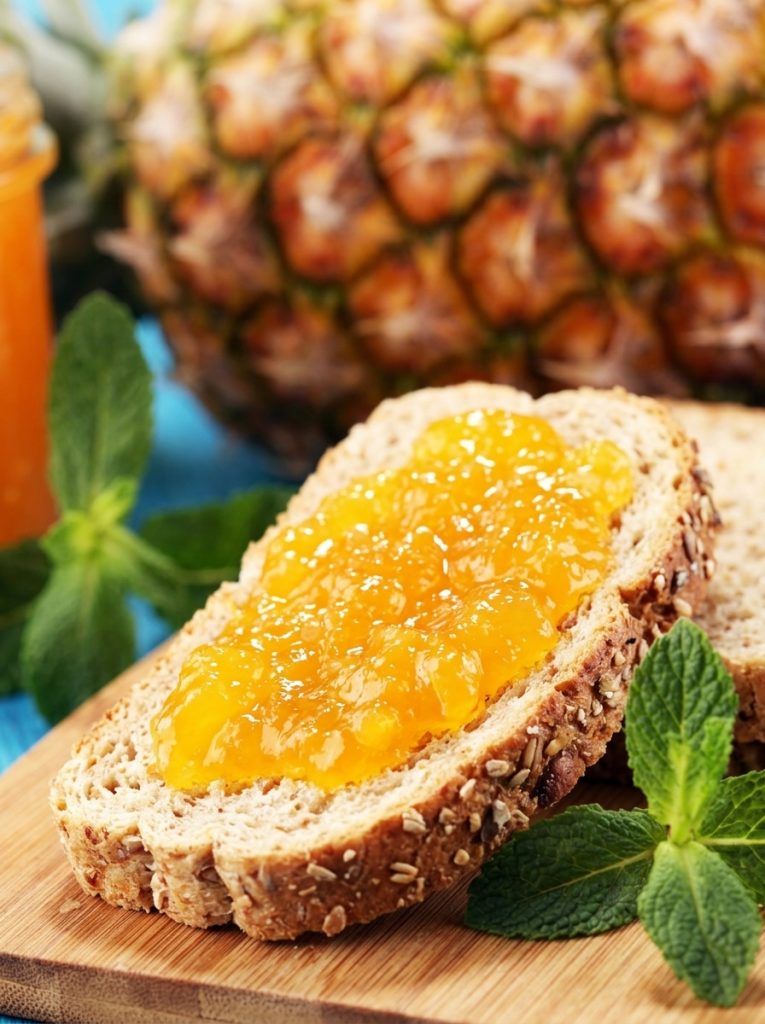
Ingredients for Mary Berry Seville Orange Marmalade
- 1kg Seville oranges (approximately 8 to 10 oranges)
- 1 unwaxed lemon
- 2 litres water
- 2kg granulated sugar
Equipment
- Large preserving pan (8 litre capacity — marmalade bubbles up dramatically)
- Muslin cloth or jelly bag
- Several small saucers in the freezer
- 5 to 6 sterilised glass jars
- Jam funnel
How to Make Mary Berry Seville Orange Marmalade — Step by Step
Step 1 — Sterilise the Jars
Wash jars in hot soapy water, rinse, and place upside down in a 140°C oven for 15 minutes. Leave in the oven until needed.
Step 2 — Prepare the Oranges and Lemon
Scrub the oranges and lemon under warm water. Halve them and squeeze out all the juice — catching any pips that fall. Place the juice in the preserving pan.
Now remove the pips and pith from the squeezed halves. Use a spoon to scrape out the membranes and any remaining pith from inside the orange skins — this is all packed with pectin. Place all the pips and the scraped pith and membranes onto a large square of muslin cloth.
Tie tightly into a bundle with kitchen string. This muslin bag goes into the pan with the orange peels and water — it releases all its pectin during cooking and is removed before potting.
Slice the orange and lemon peel into thin strips — as thin or as thick as you like your marmalade. Traditional fine-cut marmalade has very thin strips; chunky marmalade has thicker pieces. Neither is more correct than the other — it is a matter of personal preference.
Add the sliced peel to the preserving pan with the juice.
Step 3 — Add Water and Cook the Peel
Add the water to the pan with the sliced peel, juice, and muslin bag of pips and pith. Bring to the boil, then reduce to a gentle simmer. Cook uncovered for 1.5 to 2 hours until the peel is completely soft.
This is the most important stage. The peel must be completely tender before the sugar is added — once sugar goes in, the peel will not soften any further. Test by pressing a piece of peel between your fingers — it should offer no resistance at all.
During this stage the liquid will reduce significantly and become slightly syrupy. This is the pectin releasing from the muslin bag into the liquid.
Step 4 — Remove the Muslin Bag
Remove the muslin bag from the pan. Allow it to cool slightly, then squeeze it firmly over the pan — wearing rubber gloves as it will be very hot — to extract as much of the pectin-rich liquid as possible. Discard the bag.
Step 5 — Add the Sugar
Add all the sugar to the pan and stir over a low heat until completely dissolved — 8 to 10 minutes. The liquid should look clear when you lift the spoon. Do not let the marmalade boil before the sugar is dissolved.
Step 6 — Bring to a Rolling Boil and Test
Increase the heat to high. Bring to a rapid, rolling boil — one that cannot be stirred down. Boil hard for 15 to 25 minutes, testing for set every 5 minutes after the 15-minute mark.
Drop a teaspoon onto a cold saucer, leave one minute, push with your fingertip. If it wrinkles and does not flow back, setting point is reached.
Marmalade takes longer to set than most jams because of the large volume of liquid. Be patient and keep testing.
Step 7 — Skim, Rest, and Pot
Remove from the heat. Skim any foam from the surface — a knob of butter helps disperse it. Leave the marmalade to stand for 15 minutes — this is important with marmalade because it allows the peel to settle evenly through the liquid rather than floating to the top of the jars.
Stir gently, then ladle into the hot sterilised jars. Seal immediately. Label with the date.
My Top Tips For Mary Berry Seville Orange Marmalade
Cook the peel until completely soft before adding sugar. One hour thirty minutes to two hours of simmering. Test a piece of peel — it should feel like cooked pasta, offering no resistance. Under-cooked peel is the most common marmalade mistake and it cannot be fixed after the sugar goes in.
Squeeze the muslin bag firmly. The muslin bag contains enormous amounts of pectin in the pith and pips. Squeezing it firmly into the pan significantly improves the set of the finished marmalade. Do it properly — wear gloves and squeeze hard.
Leave it to stand 15 minutes before potting. This rest period is specific to marmalade — the peel needs to be suspended evenly through the set liquid rather than all floating to the top of each jar. After 15 minutes of standing and a gentle stir, the peel is distributed evenly and the marmalade pots beautifully.
Buy Seville oranges in January and freeze them. Seville oranges are only available for six to eight weeks. If you miss the window, you miss the season. Buy extra in January, freeze them whole, and make marmalade year-round. They go straight into the pan from frozen — just add 10 minutes to the initial cooking time.
A large pan is essential. Marmalade with 2kg of sugar bubbles up to twice its volume during the rolling boil. An 8-litre pan is the minimum. Too small a pan means marmalade boiling over — one of the most unpleasant kitchen experiences there is.
Cut the peel to your preferred thickness before cooking. Fine-cut marmalade — with very thin strips — has a more delicate, elegant character. Chunky marmalade — thick strips or even chunks — has more texture and a more pronounced peel flavour. Neither is traditional or correct. It is what you prefer.
Serving Suggestions
On toast with salted butter — this is the only breakfast worth discussing. On warm crumpets. As a glaze for roast duck, pork, or ham — warm 3 tablespoons with a splash of water and brush over in the final 20 minutes of roasting.
In baking — a tablespoon stirred into a chocolate cake batter adds a wonderful bitter citrus note. As a gift in January when it is freshly made and the recipient will understand exactly what they are receiving.
How to Store Mary Berry Seville Orange Marmalade
Unopened: Cool, dark place for up to 1 year. The flavour deepens and mellows over the first month.
Once opened: Refrigerate and use within 6 to 8 weeks.
Try These Recipes
Mary Berry Seville Orange Marmalade Recipe
Ingredients
Method
- Sterilise jars in a 140°C oven for 15 minutes.
- Halve and juice all oranges and lemon. Place juice in the preserving pan. Scrape pith and membranes from skins into muslin — add all pips too. Tie muslin tightly.
- Slice peel to preferred thickness. Add to pan with muslin bag and water.
- Bring to the boil then simmer for 1.5 to 2 hours until peel is completely soft — test by pressing between fingers.
- Remove muslin bag. Cool slightly. Squeeze firmly into pan — wear gloves. Discard bag.
- Add sugar. Stir over low heat for 8–10 minutes until completely dissolved. Do not boil before dissolved.
- Increase heat to high. Bring to a rapid rolling boil. Boil hard for 15–25 minutes. Test every 5 minutes from 15 minutes — cold saucer wrinkle test.
- Remove from heat. Skim foam. Stand 15 minutes. Stir gently. Ladle into hot jars. Seal immediately. Label with date.
Notes
Frequently Asked Questions
Can I use sweet oranges if I cannot find Seville oranges?
You can make an orange marmalade with sweet oranges but it will be a different thing — sweeter, less complex, without the characteristic bitterness. Add the juice of three lemons and two limes to compensate for the lack of bitterness and acidity.
Can I freeze Seville oranges to use later?
Yes — this is the best way to extend the Seville orange season. Freeze whole in a freezer bag for up to 12 months. Use directly from frozen — add 10 minutes to the initial cooking time.
Why is my marmalade not setting?
Either the peel was not cooked long enough before the sugar was added, the muslin bag was not squeezed properly, or it has not boiled for long enough. Return the pan to a rolling boil and continue testing every five minutes. The wrinkle test is your only reliable guide.
Why is my marmalade cloudy?
A very small amount of cloudiness is normal and does not affect the flavour. Significant cloudiness usually means the muslin bag was pressed or squeezed before the contents had cooled, releasing fine solids into the liquid. For very clear marmalade, allow the bag to cool completely before squeezing gently.
Can I make dark Seville orange marmalade?
Yes — to make a darker, richer, more treacly marmalade, replace 500g of the granulated sugar with dark muscovado sugar and add 2 tablespoons of black treacle. The result has a deeper colour, a slightly bitter, almost molasses-like background note, and a more complex flavour. It is wonderful.
How long should I wait before opening the first jar?
A minimum of two weeks, four is better. Fresh marmalade is good. Marmalade that has had a month to mature in the jar is significantly better — the flavours mellow and integrate in a way that transforms it.














Leave a Reply