
 Anna Louise
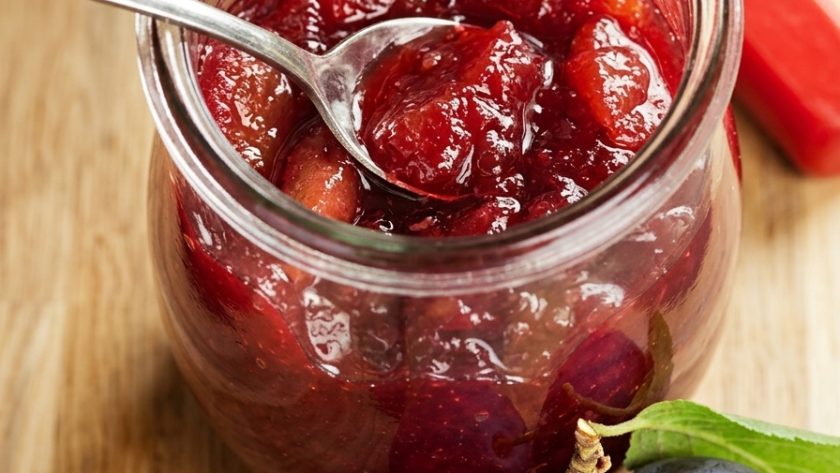
 If plum jam is wonderful, damson jam is extraordinary. Damsons — those small, intensely flavoured, slightly tart wild plums that appear in hedgerows and gardens across Britain in late August and September — produce a jam that is unlike any other.
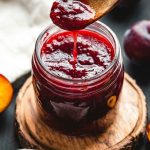
Deep purple-black, intensely fruity, with a slight tartness that gives the finished jam a complexity and depth that is genuinely exceptional.
Mary Berry’s damson jam recipe handles these remarkable little fruits with exactly the care they deserve. The process is similar to plum jam but there are a few important differences — damsons are smaller, their stones are more difficult to remove before cooking, and their high pectin content means they set quickly and reliably.
The result, from a relatively small amount of preparation, is one of the finest preserves British autumn produces. If you have a damson tree or access to a hedgerow in September, make this jam. If you have to buy damsons from a farm shop or farmers’ market, they are worth every penny.
Once you have tasted homemade damson jam on toast on a grey January morning, you will understand completely why this is one of the most treasured preserves in British cooking.
Damsons Versus Plums — Why the Difference Matters
Damsons and plums are related but they are different fruits in character and in how they behave during jam making.
Damsons are smaller and their stones are proportionally large. This makes stoning before cooking impractical — the stones are usually left in during the initial cooking and removed afterwards as they float to the surface. It requires an extra step but it is genuinely the most practical approach.
Damsons are more tart than plums. Their higher acid content means they activate their own pectin more readily, making them one of the most reliably setting jam fruits there is. They are also slightly more bitter than plums, which gives the finished jam a more complex, sophisticated flavour.
Damsons have more pectin than most plums. This means the jam can reach setting point quickly — sometimes in as little as 8 to 10 minutes of rolling boil. Watch carefully and test frequently.
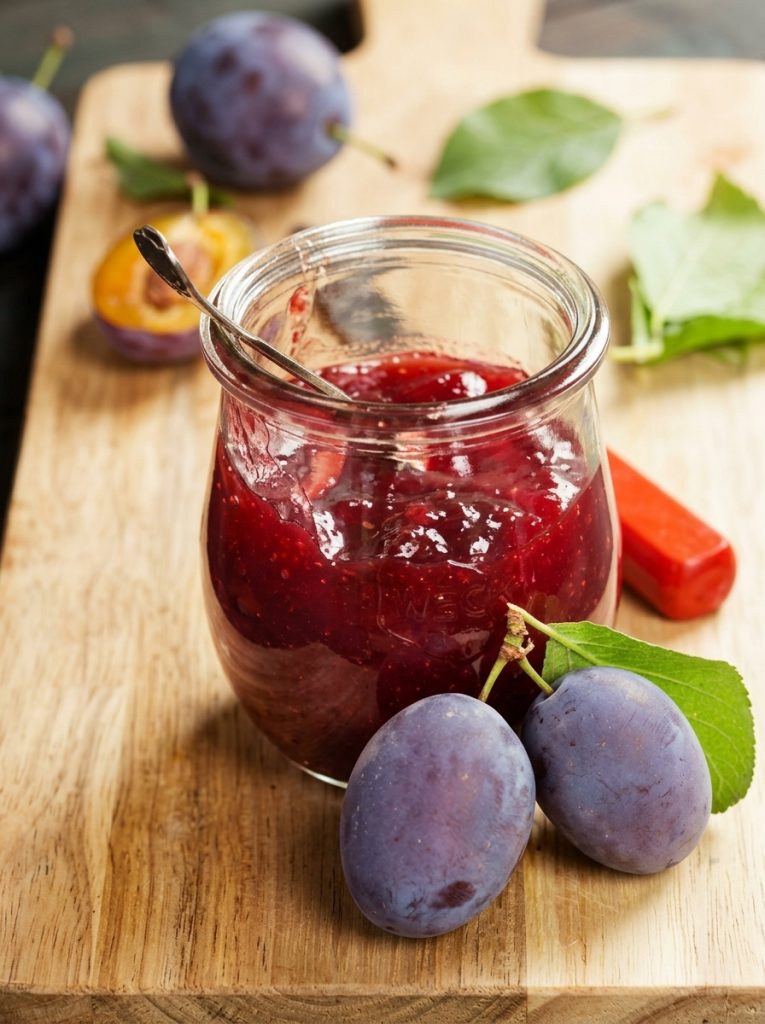
Ingredients for Mary Berry Damson Jam
- 1.5kg damsons, washed
- 300ml water
- 1.5kg granulated or preserving sugar
- Juice of 1 lemon
Equipment
- A large preserving pan or very large saucepan (6 litre capacity minimum)
- Several small saucers in the freezer
- 4 to 5 clean glass jars, sterilised
- A slotted spoon (for removing stones)
- A jam funnel
How to Make Mary Berry Damson Jam — Step by Step
Step 1 — Cook the Damsons With Their Stones
Place the whole, washed damsons into the preserving pan with the water and lemon juice. Do not stone them first — it is impractical with damsons and unnecessary. Bring to the boil over a medium heat, then reduce to a simmer.
Cook gently for 20 to 25 minutes until the damsons have completely softened and burst, the flesh has collapsed, and the skins have mostly dissolved into the mixture. Stir occasionally and press the damsons against the side of the pan with the back of your spoon to help them break down.
Step 2 — Remove the Stones
As the damsons cook down, the stones will begin to float to the surface. Use a slotted spoon to remove them as they appear — this is the most time-consuming part of damson jam making and requires patience, but it is essential. Some stones are stubborn and need to be pressed out of the softened flesh with the back of the spoon.
After the damsons have fully broken down, fish out as many stones as you can find. Do not worry if you cannot get every single one — a few warnings to your jam recipients, or a note on the label, is the traditional approach.
Step 3 — Sterilise Your Jars
While the damsons cook, sterilise your jars in a 140°C oven for 15 minutes. Leave in the oven until needed.
Step 4 — Add the Sugar
Add the sugar to the damson pulp and stir over a low heat until completely dissolved — 5 to 8 minutes of patient stirring. Do not let the mixture boil before the sugar has fully dissolved. Check by looking at the liquid on your spoon — it should appear clear.
Step 5 — Bring to a Rolling Boil and Test for Set
Increase the heat to high and bring the jam to a rapid, rolling boil. Boil hard for 8 to 12 minutes — damsons have high pectin content and can set quickly. Remove from the heat after 8 minutes and test on a cold saucer.
Drop a small teaspoon onto the cold saucer, leave for a minute, then push with your fingertip. If it wrinkles, setting point is reached. If it flows back, return to the boil for two to three more minutes and test again.
Step 6 — Skim, Rest, and Pot
Skim any foam from the surface — a small knob of butter stirred through helps if foam is persistent. Leave the jam to stand for 10 minutes — damson jam is particularly prone to the fruit sinking in the jar if potted too quickly while still very liquid.
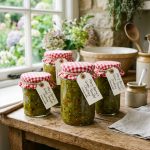
Ladle into hot sterilised jars using a jam funnel. Fill to within 5mm of the top. Seal immediately with wax discs and cellophane covers or clean lids. Label with fruit and date.
My Top Tips for the Best Damson Jam
Do not try to stone damsons before cooking. The stones are small, the flesh clings to them tightly, and the process is extraordinarily time-consuming. Cooking them whole and removing the stones as they float to the surface during cooking — and fishing out the remaining ones from the cooked pulp — is the standard, practical method for damson jam and produces an excellent result.
Be thorough with stone removal. Go through the cooked pulp carefully and systematically with a slotted spoon before adding the sugar. A note on the jar label warning of occasional stones is considerate — damson stones are hard and biting one unexpectedly is unpleasant.
Watch for set carefully — damsons set quickly. The high pectin content in damsons means this jam can reach setting point faster than you might expect — as little as 8 minutes of rolling boil in some cases. Test from 8 minutes and do not walk away from the pan during this stage.
The colour will be extraordinary. Damson jam is a deep, jewel-like purple-black colour that is one of the most beautiful things in a jam jar. To preserve the colour, avoid cooking at too high a temperature for too long — a rapid boil for the minimum time needed to reach set gives the best colour as well as the best flavour.
This jam is more tart than plum jam — adjust to taste. If you prefer a sweeter jam, you can increase the sugar slightly — up to 1.8kg to 1.5kg fruit. The additional sugar will also help if your damsons are particularly tart. Taste the cooked damson pulp before adding the sugar and adjust accordingly.
Leave the jam to stand for 10 minutes before potting. Damson jam is particularly prone to the fruit rising to the top of the jar if potted immediately. A 10-minute rest allows it to thicken slightly, ensuring the fruit is evenly distributed through each jar.
Serving Suggestions
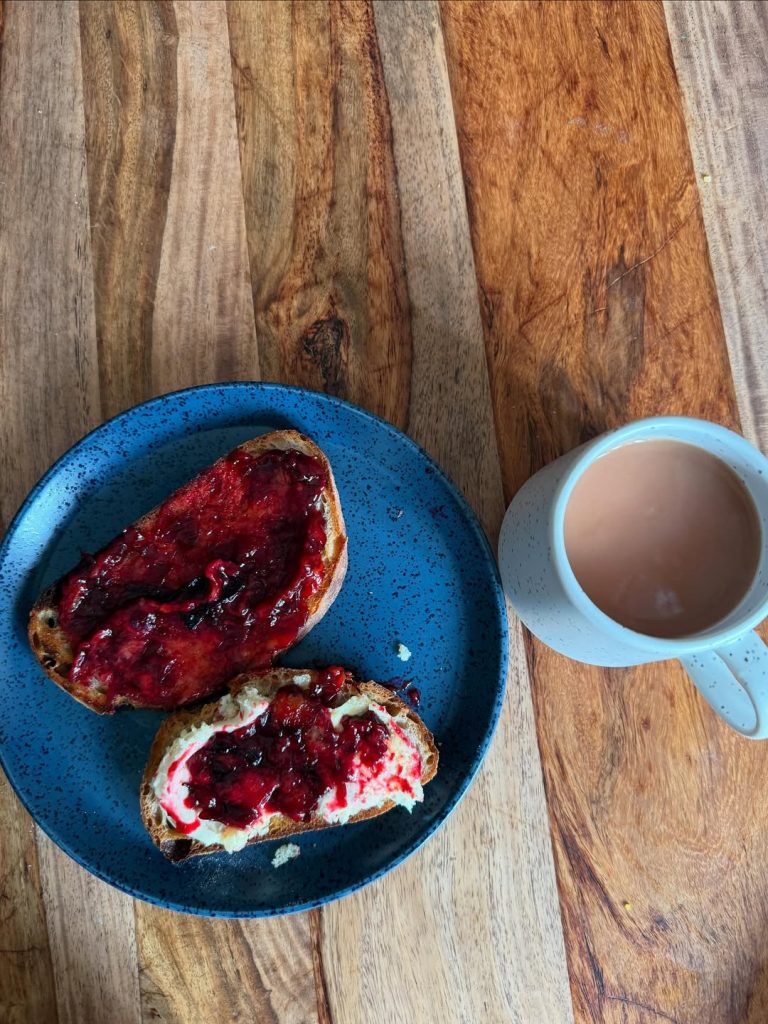
On toast with salted butter — the tartness of the damson jam is magnificent against good salted butter. On scones with clotted cream — a more sophisticated and intensely flavoured alternative to strawberry jam.
Stirred through porridge for a wonderful autumn breakfast. As a condiment with roast lamb, duck, or game — the tartness of damson jam pairs beautifully with rich meats in a way that few other jams do.
How to Store Mary Berry Damson Jam
Unopened: Store in a cool, dark place for up to 1 year. The flavour deepens over the first month.
Once opened: Refrigerate and use within 4 to 6 weeks.
Try These Recipes
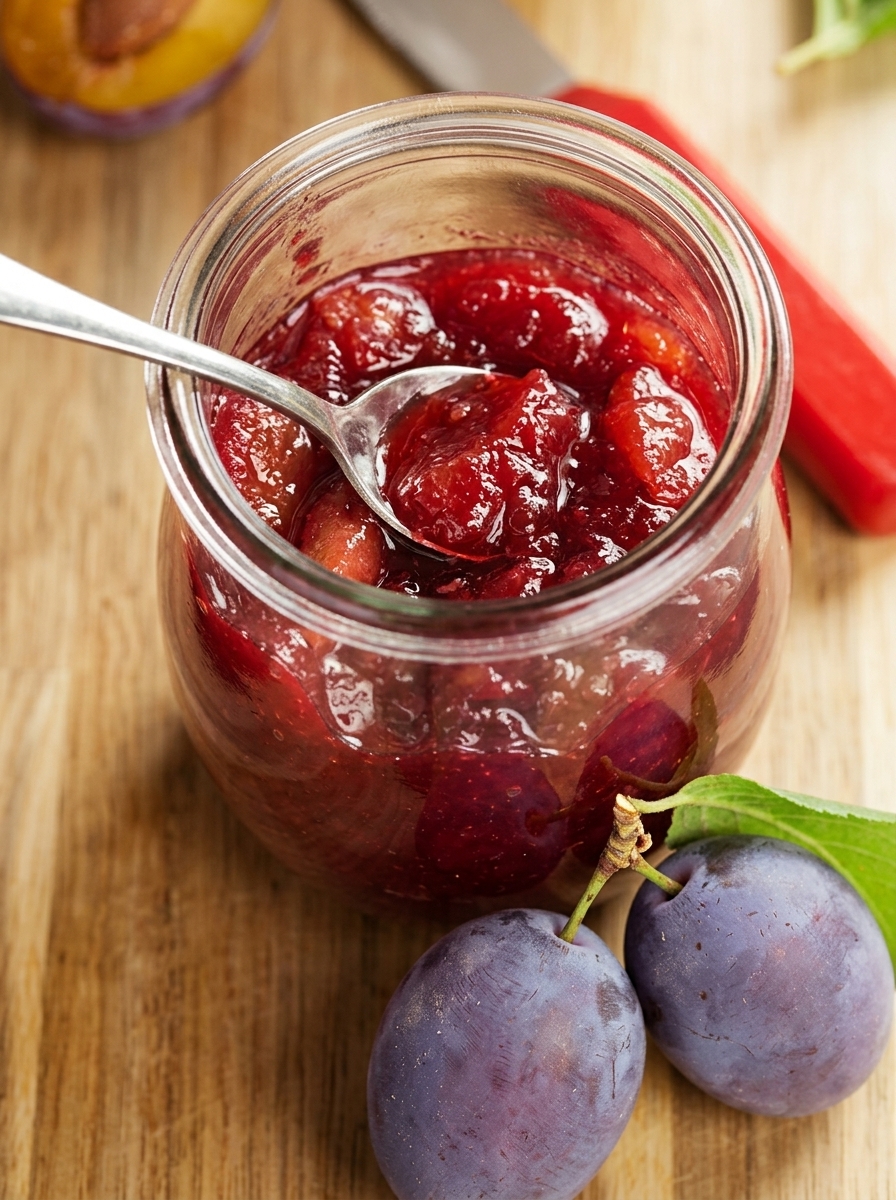
Mary Berry Damson Jam Recipe
Ingredients
Method
- Place whole damsons, water, and lemon juice in a large preserving pan. Bring to the boil then simmer for 20–25 minutes until damsons have completely softened and broken down. Remove stones with a slotted spoon as they float to the surface — continue until most stones are removed.
- Sterilise jars in a 140°C oven for 15 minutes while damsons cook.
- Add sugar to damson pulp. Stir over low heat for 5–8 minutes until completely dissolved — do not boil before sugar is dissolved.
- Increase heat to high. Bring to a rapid rolling boil. Boil hard for 8–12 minutes — damsons set quickly so test early.
- Remove from heat. Drop a teaspoon of jam onto a cold saucer. Leave 1 minute. Push with fingertip — if it wrinkles, setting point is reached. If not, return to boil 2–3 minutes and test again.
- Skim foam. Leave to stand 10 minutes. Ladle into hot sterilised jars. Seal immediately. Label with fruit and date.
Notes
Frequently Asked Questions About Mary Berry Damson Jam
Where can I find damsons?
Damsons are available from farm shops, farmers’ markets, and some larger supermarkets in late August and September. They also grow wild in many hedgerows across Britain — the small, oval, blue-black fruits are hard to miss when they are ripe. If you have a friend with a damson tree, offers of jam in exchange for fruit are usually very welcome.
Can I use sloes instead of damsons?
Sloes are related to damsons but are significantly more bitter and astringent when raw — they are the fruit used to make sloe gin. They can be used in jam but require more sugar and produce a much more bitter result. They are best used for sloe gin rather than jam.
Why do I have a lot of foam when boiling?
Foam is normal during jam making and comes from air beaten into the jam during the rolling boil. Skim it off before potting, or stir in a small knob of butter — it disperses almost instantly. A small amount of foam in the jar does not affect flavour or keeping.
Can I make damson jam without lemon juice?
The lemon juice provides additional acid that helps activate the pectin. Damsons have high natural pectin and acid, so the lemon juice is less critical here than in lower-pectin fruits — the jam will likely still set without it. However, the lemon juice also brightens the flavour, so I always include it.
My damson jam set almost immediately — is that normal?
Yes — damsons have very high pectin content and can set rapidly. If your jam set before you could pot it, gently reheat it until just liquefied enough to pour, then pot immediately. In future, test from 8 minutes and pot the moment setting point is reached.
Can I make damson jam with frozen damsons?
Yes — defrost completely, drain any excess liquid, and use in the same quantities. The jam may take slightly longer to set as frozen fruit has a lower pectin concentration than fresh.













Leave a Reply