
 Anna Louise
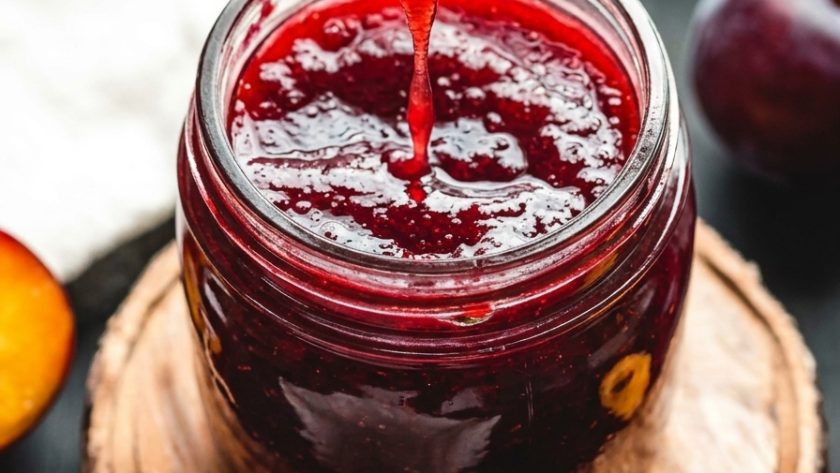
 Mary Berry’s plum jam is the recipe I make every autumn without fail when the plum trees are laden and I have more fruit than I can eat fresh.
Plums are a wonderful jam fruit — they have good natural pectin levels, they cook down beautifully, and they produce a jam that is deeply coloured, intensely fruity, and richly flavoured with a slight sharpness that makes it completely wonderful spread on toast, scones, or stirred through yoghurt.
This is not a difficult recipe. Jam making has a reputation for being complicated and it is not deserved — the technique is simple, the ingredients are few, and the result lasts for months.
Once you have made your first successful batch, you will wonder why you ever bought it from a shop.
Understanding Jam Setting — The Most Important Thing to Know
Before we begin, it is worth understanding what makes jam set — because this knowledge is what gives you confidence throughout the process.
Jam sets because of pectin — a naturally occurring substance found in fruit, particularly in the skin and stones. When pectin is heated with sugar and acid (in this case, lemon juice), it forms a gel that sets the jam as it cools.
Plums have a moderate to good level of natural pectin, which means they set reasonably reliably without the need for added pectin. The lemon juice in this recipe both adds extra acidity — which helps pectin activate — and brightens the flavour of the finished jam.
The wrinkle test is the most reliable way to check for set — a small amount of jam dropped onto a cold saucer, left for a minute, then pushed with a fingertip should wrinkle and not flow back. This is your signal that the jam has reached setting point.
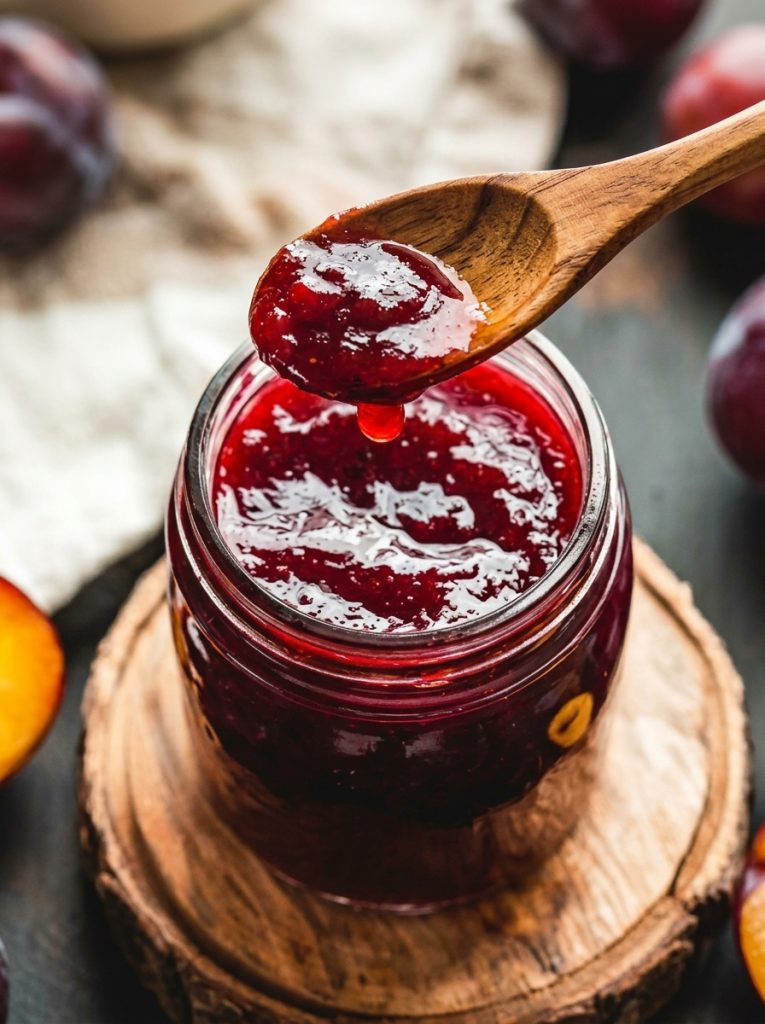
Ingredients for Mary Berry Plum Jam
- 1.5kg ripe but firm plums, washed
- 1.5kg granulated or preserving sugar
- Juice of 2 lemons (about 6 tbsp)
- 150ml water
Equipment You Will Need
- A large, heavy-based preserving pan or very large saucepan (at least 6 litre capacity — jam bubbles up dramatically)
- Several small saucers, placed in the freezer before you begin (for the wrinkle test)
- 4 to 5 clean glass jars with lids, sterilised (see notes)
- A jam funnel (helpful but not essential)
- Wax discs and cellophane covers, or clean lids
How to Make Mary Berry Plum Jam — Step by Step
Step 1 — Prepare the Plums
Halve the plums and remove the stones. Some people leave a few stones in during the initial cooking as they release pectin and add flavour — if you do this, make sure to fish them out before potting. Cut any very large plum halves in half again.
Place the prepared plum pieces into the preserving pan with the water and lemon juice.
Step 2 — Sterilise Your Jars
While the plums cook, sterilise your jars. Wash them in hot, soapy water, rinse thoroughly, then place upside down in an oven preheated to 140°C for 15 minutes. Leave in the oven until needed — hot jam should go into hot jars to prevent them from cracking.
Alternatively, run them through a hot dishwasher cycle and use immediately.
Step 3 — Soften the Plums
Cook the plums over a medium heat, stirring occasionally, for 15 to 20 minutes until they have completely softened and broken down. The flesh should be very soft and the skins mostly dissolved into the mixture.
If you prefer a smoother jam without skin pieces, press the cooked plum mixture through a large sieve or food mill at this stage. If you are happy with pieces of skin in your jam — which adds texture and is entirely traditional — leave it as it is.
Step 4 — Add the Sugar
Add the sugar to the softened plums and stir over a low heat until every grain has completely dissolved — this takes 5 to 8 minutes of patient stirring. Do not rush this stage and do not let the jam boil before the sugar is fully dissolved. Undissolved sugar crystals can cause the finished jam to crystallise in the jar.
To check if the sugar has dissolved, lift the spoon and look at the liquid running off it — it should look completely clear, with no visible sugar granules.
Step 5 — Bring to a Rolling Boil
Once the sugar is fully dissolved, increase the heat to high and bring the jam to a rapid, rolling boil — a boil so vigorous that it cannot be stirred down. This is the critical stage where the pectin activates and the jam reaches setting point.
Boil hard for 10 to 15 minutes, stirring occasionally to prevent the bottom from catching, until the jam reaches setting point. Take the pan off the heat while you test — the jam continues to cook even after the heat is off, and you do not want to miss the set point.
Step 6 — Test for Set
Drop a small teaspoon of jam onto one of the cold saucers from the freezer. Leave for one minute, then push it gently with your fingertip. If the surface wrinkles and the jam does not flow back, it has reached setting point.
If it flows back and looks liquid, return the pan to the boil for a further two to three minutes and test again on a fresh cold saucer.
Step 7 — Skim and Pot
Once setting point is reached, remove the pan from the heat. Use a large spoon to skim off any foam or scum that has risen to the surface — this does not affect the flavour but gives the finished jam a clearer, more attractive appearance. Stir in a small knob of butter if any foam remains — it disperses it almost instantly.
Leave the jam to stand for five to ten minutes — this allows it to cool slightly and thicken, which prevents the fruit from floating to the top of the jars.
Ladle into the hot sterilised jars using a jam funnel, filling to within 5mm of the top. Cover immediately with wax discs (wax side down) and then with cellophane covers secured with elastic bands, or seal with clean lids while still hot. Label with the date.
My Top Tips for Perfect Plum Jam
Use ripe but firm plums. Overripe, very soft plums have less pectin and more water than slightly firm ones, and can produce a jam that is difficult to set and slightly lacking in flavour. Perfectly ripe plums — sweet, fragrant, and just yielding when pressed — give the best result.
Do not add the sugar until the plums are fully softened. If you add the sugar before the fruit is fully broken down and softened, the sugar hardens the fruit pieces and they never soften properly in the finished jam. Soften completely first, then add the sugar.
Do not let the jam boil before the sugar is fully dissolved. Boiling before the sugar dissolves can cause the finished jam to crystallise in the jar. Stir patiently over a low heat until completely dissolved — test by looking at the liquid on your spoon.
Have cold saucers ready in the freezer before you start. You need them cold enough to set the jam quickly during the wrinkle test. Put them in the freezer the moment you start cooking.
Use a large enough pan. Jam bubbles up dramatically when it reaches a rolling boil — you need a pan that is at least twice the volume of your jam mixture. A pan that is too small will boil over and create an extraordinarily sticky mess on your hob.
Label with the date. Homemade jam keeps for up to a year unopened in a cool, dark place — but only if you know when you made it. Always label with the fruit and the date.
Serving Suggestions
On toast with good butter — always and forever the best way. On warm scones with clotted cream. Stirred through natural yoghurt. As a filling for Victoria sponge or a Swiss roll.
Spooned over vanilla ice cream. As a glaze for roasted duck or pork — plum jam makes a wonderful savoury glaze that is worth knowing about.
How to Store Mary Berry Plum Jam
Unopened: Store in a cool, dark place for up to 1 year. The flavour deepens and improves over the first few weeks.
Once opened: Store in the fridge and use within 4 to 6 weeks.
Try These Recipes
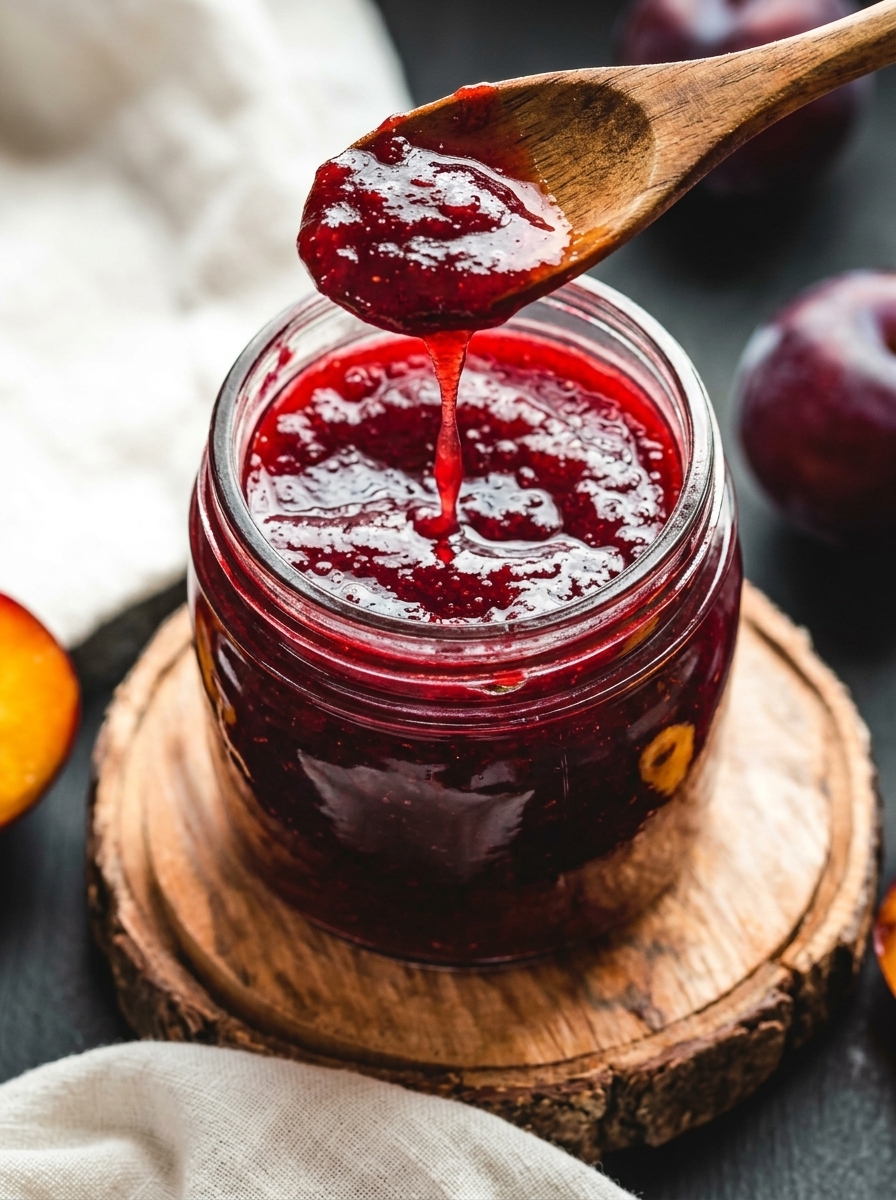
Mary Berry Plum Jam Recipe
Ingredients
Method
- Place prepared plums in a large preserving pan with water and lemon juice. Cook over medium heat for 15–20 minutes until completely softened.
- Sterilise jars in a 140°C oven for 15 minutes while the plums cook.
- Add sugar to softened plums. Stir over low heat for 5–8 minutes until every grain is completely dissolved — do not let it boil before sugar is dissolved.
- Increase heat to high. Bring to a rapid rolling boil. Boil hard for 10–15 minutes, stirring occasionally.
- Remove pan from heat. Drop a teaspoon of jam onto a cold saucer. Leave 1 minute. Push with fingertip — if it wrinkles, setting point is reached. If not, return to boil for 2–3 minutes and test again.
- Skim foam from surface. Leave jam to stand 5–10 minutes.
- Ladle into hot sterilised jars. Cover immediately. Label with fruit and date.
Notes
Frequently Asked Questions About Mary Berry Plum Jam
Do I need to add pectin to plum jam?
No — plums have a moderate to good level of natural pectin, particularly in the skin and near the stones. Combined with the lemon juice in this recipe, they set reliably without added pectin. If your jam is struggling to set after 20 minutes of rolling boil, you can add a sachet of pectin powder, but this is rarely necessary with plums.
Can I make this with less sugar?
Reducing the sugar will affect both the setting and the keeping quality of the jam. The 1:1 ratio of fruit to sugar is traditional and reliable. If you want a lower-sugar version, use a jam sugar with added pectin — it will still set with less sugar, but the jam will need to be refrigerated and consumed within 4 weeks.
Why is my plum jam not setting?
Either it has not been boiled hard enough for long enough, or the plums had a low pectin content. Return the pan to a rolling boil for another five minutes and test again. Adding the juice of an extra lemon also helps, as it provides additional acid that activates the pectin.
Can I use frozen plums?
Yes — defrost them completely, drain any excess liquid, and use in the same quantities as fresh. Frozen plums generally have slightly less pectin than fresh, so your jam may need a slightly longer boiling time to reach setting point.
How do I sterilise jars without an oven?
The dishwasher method works well — run the jars through a full hot cycle and use immediately. Alternatively, boil the jars in a large pan of water for 10 minutes, lift out with tongs, and leave to drain upside down on a clean tea towel before using.
Why does my jam have bubbles or foam on the surface?
Foam forms during the boiling stage from air beaten into the jam. Skim it off with a large spoon before potting, or stir in a small knob of butter — it disperses the foam almost instantly. A small amount of foam in the finished jar does not affect flavour or keeping quality.














Leave a Reply