
 Anna Louise
 Tea bread — or bara brith in Wales, where it has been made for centuries — is one of those wonderfully unpretentious British bakes that has been quietly making people happy for generations. No butter in the batter, no eggs in most versions, no complicated method.
Dried fruit soaked overnight in strong, sweet tea, mixed with flour, sugar, and a beaten egg, and baked in a loaf tin until risen, golden, and deeply moist.
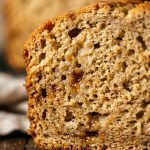
The result is something that tastes far more interesting than its ingredients suggest — fruity, slightly malty from the tea, with a wonderful moist, dense crumb that keeps beautifully for days.
Mary Berry’s tea bread recipe is the version I make every few weeks, particularly through autumn and winter. It requires almost no active preparation — most of the work is done by the tea and the overnight soak.
The actual mixing takes five minutes. And the result, sliced thickly and spread with good cold butter, is one of the most satisfying and comforting things I know.
What Makes This Tea Bread So Special?
Soaking the fruit overnight in tea. This is the defining step of a great tea bread. The dried fruit absorbs the tea during the overnight soak, becoming plump, moist, and deeply flavoured — no longer just dried fruit scattered through a batter, but something richer and more integrated.
The tea itself — strong black tea with sugar dissolved in it — contributes a subtle malty depth to the finished loaf that is completely characteristic of this bake.
No butter in the batter. Unlike most cakes, tea bread contains no fat beyond the egg. The moisture comes entirely from the soaked fruit and the tea it was soaked in. This gives the finished loaf a dense, moist crumb that keeps far better than a butter-based cake — and means it is also significantly lower in fat, though you will almost certainly eat it with butter, which somewhat negates this.
Brown sugar. Soft light brown sugar rather than white gives the loaf a slightly richer, more complex sweetness that suits the malty tea flavour beautifully.
Ingredients for Mary Berry Tea Bread
For Soaking (Do the Night Before)
- 350g mixed dried fruit (sultanas, raisins, currants, mixed peel)
- 250ml strong black tea, hot (made with 2 tea bags and brewed for 5 minutes — I use Yorkshire Tea or Assam for the best flavour)
- 175g soft light brown sugar
For the Tea Bread
- The soaked fruit and all its liquid
- 1 large egg, beaten
- 275g self-raising flour, sifted
- 1 tsp mixed spice
- ½ tsp ground cinnamon
Optional Glaze
- 2 tbsp marmalade or apricot jam, warmed
How to Make Mary Berry Tea Bread — Step by Step
Step 1 — Soak the Fruit (The Night Before)
Place the mixed dried fruit and soft light brown sugar into a large bowl. Pour over the hot, strong black tea and stir well until the sugar has completely dissolved. Cover the bowl with cling film and leave to soak at room temperature overnight — or for a minimum of 6 hours.
By morning, the fruit will have absorbed nearly all the tea and will be plump, glossy, and incredibly fragrant. The remaining liquid will have thickened to a dark, sweet syrup. Use everything — fruit and liquid — in the batter.
Do not be tempted to drain the fruit. The soaking liquid is packed with flavour and contributes significantly to the moist texture of the finished loaf. Every drop goes in.
Step 2 — Preheat and Prepare
Preheat your oven to 150°C / 130°C fan / Gas 2. Grease a 2lb (900g) loaf tin and line it with baking parchment, leaving an overhang at the sides for easy removal.
The low oven temperature is important — tea bread bakes for a long time and needs gentle, even heat to cook through without the outside drying out or the top burning.
Step 3 — Make the Batter
Add the beaten egg to the soaked fruit mixture and stir well to combine.
Sift the self-raising flour, mixed spice, and cinnamon over the fruit mixture. Fold everything together with a large spatula until just combined — there should be no visible dry flour remaining. The batter will be quite thick and heavy, packed with fruit. This is correct.
Step 4 — Bake
Spoon the batter into the prepared loaf tin and level the surface with the back of a spoon. Bake for 1 hour 15 minutes to 1 hour 30 minutes until the loaf is well risen, deep golden brown, and a skewer inserted into the very centre comes out completely clean.
At the 1-hour mark, check the top. If it is browning too quickly, lay a piece of baking parchment loosely over the top and continue baking. The loaf takes longer than a standard sponge because of the density of the fruit — be patient and rely on the skewer test rather than the clock.
Step 5 — Cool and Glaze (Optional)
Leave the loaf to cool in the tin for 15 minutes before lifting out using the parchment overhang and transferring to a wire rack.
If you would like a glossy, traditional finish, brush the warm top with warmed marmalade or apricot jam immediately — it gives a beautiful sheen and adds a subtle citrus or apricot note that works very well with the fruit and spice.
Leave to cool completely before slicing — at least an hour. Tea bread slices much more cleanly when completely cool.
My Top Tips for the Best Tea Bread
Use strong tea. This is not the place for a weak, milky cup. Brew two tea bags in 250ml of boiling water for five minutes — strong, proper tea. A good strong Assam or Yorkshire Tea gives the best result. The tea flavour should be present in the finished loaf, not just a vague background note.
Soak overnight — do not rush it. The overnight soak is what makes tea bread what it is. Six hours is the minimum but eight to twelve hours is better. The fruit plumps to a completely different texture than it has when dry, and the tea and sugar combine into a syrup that flavours the entire loaf.
Use all the soaking liquid. All of it. Even if the fruit seems very wet, all the liquid goes in. It is what keeps the loaf so moist for days after baking.
Do not overmix once the flour goes in. Fold gently until the flour is just incorporated — overmixing develops gluten and can make the loaf slightly tough. Stop as soon as there are no visible streaks of flour.
Bake low and slow. The low oven temperature — 150°C — gives a gentler, more even heat that cooks the dense, fruit-heavy loaf through without the outside burning before the centre is done. Do not be tempted to increase the temperature to speed things up.
This loaf improves significantly over 24 to 48 hours. Like all fruit loaves, the flavour and texture deepen and mellow as the loaf rests. Make it the day before you plan to eat it for the best result.
Serving Suggestions
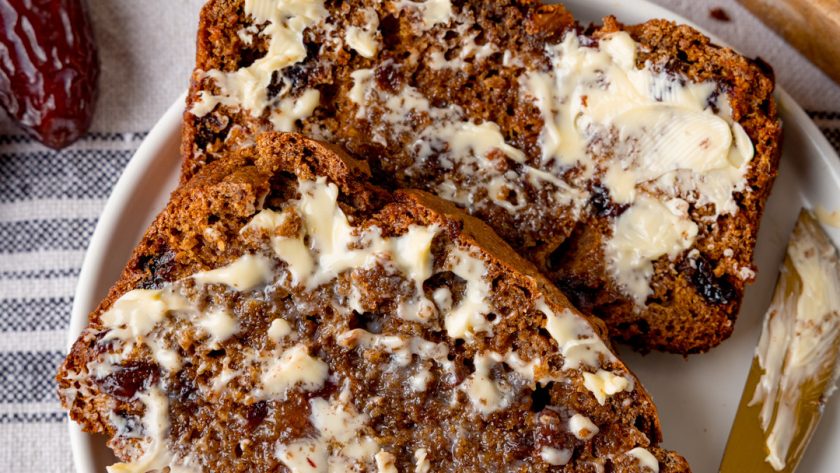
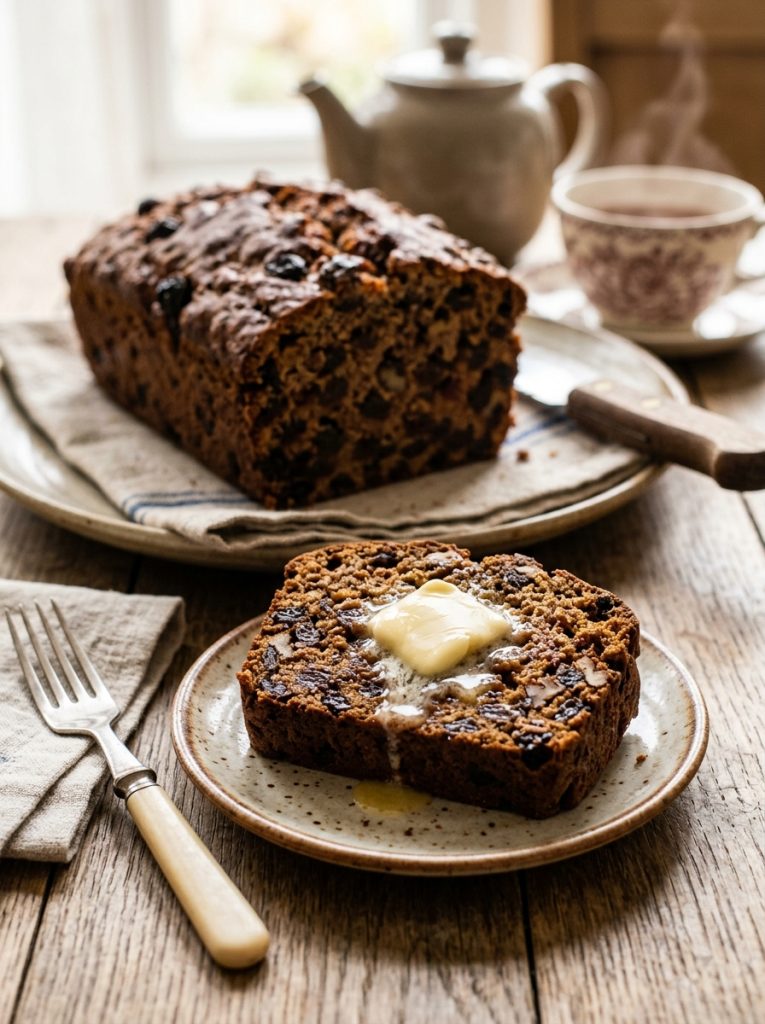
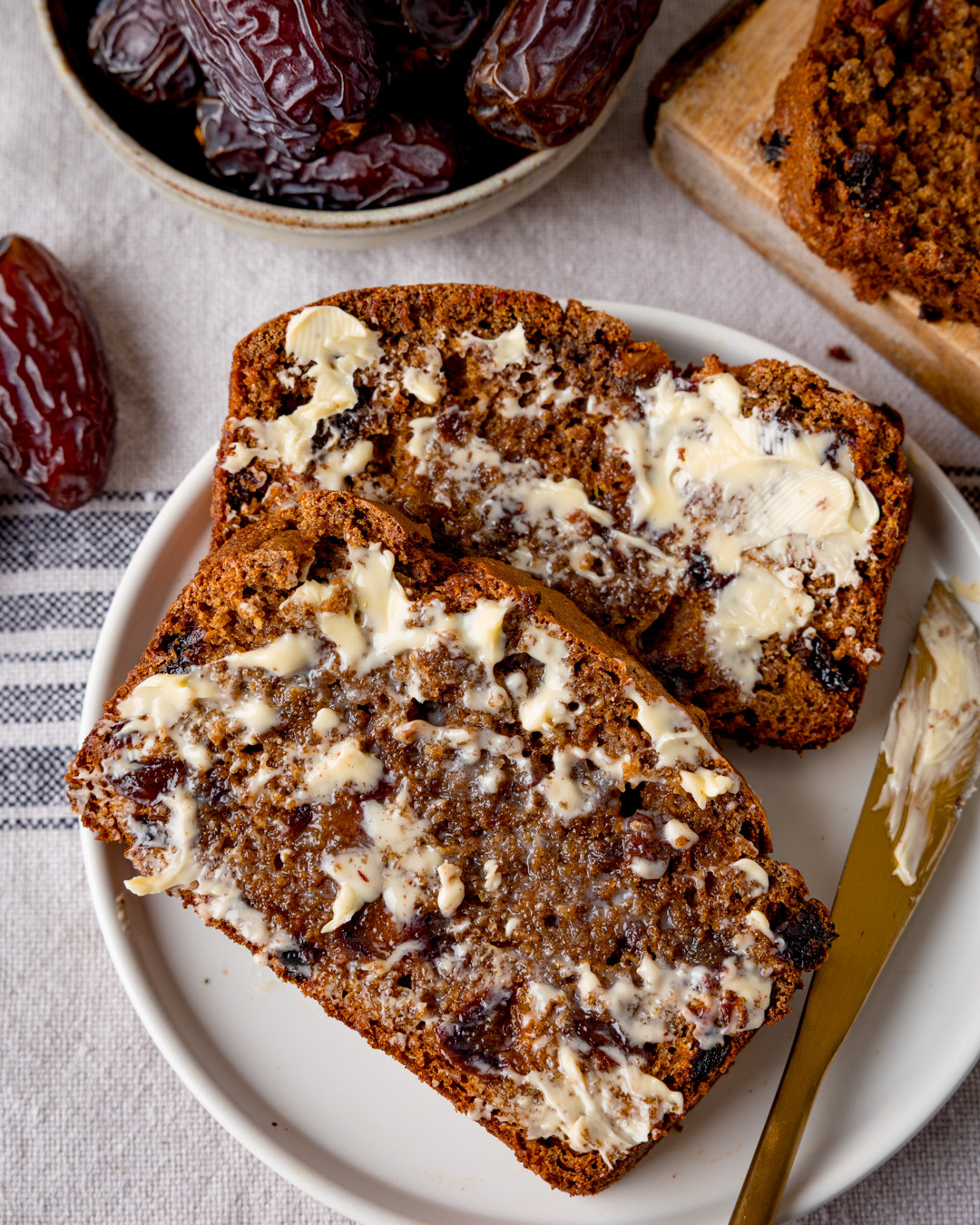
Sliced thickly and spread generously with cold, salted butter — this is the only correct way to eat tea bread and it is completely wonderful. With a cup of strong tea alongside.
At breakfast, at elevenses, at afternoon tea. Toasted the next day with butter if any is left — it toasts beautifully and the fruit caramelises slightly at the edges.
How to Store Mary Berry Tea Bread
At room temperature: Wrap in baking parchment and then foil or store in an airtight container for up to 5 days. The loaf stays beautifully moist and the flavour deepens over the first two days.
In the freezer: Slice and freeze individually, wrapped in cling film, for up to 3 months. Defrost at room temperature or toast from frozen. Having individual slices in the freezer is very useful.
Try These Recipes
Mary Berry Tea Bread Recipe
Ingredients
Method
- Night before: combine dried fruit and brown sugar in a bowl. Pour over hot strong tea. Stir until sugar dissolves. Cover and leave overnight (minimum 6 hours).
- Preheat oven to 150°C / 130°C fan / Gas 2. Grease and line a 2lb loaf tin.
- Add beaten egg to the soaked fruit and all its liquid. Stir to combine.
- Sift flour, mixed spice, and cinnamon over the fruit. Fold together until just combined — no dry flour remaining.
- Spoon into prepared tin. Level the surface.
- Bake for 1 hour 15 minutes to 1 hour 30 minutes until deep golden and a skewer comes out clean. Cover top loosely with parchment if browning too quickly.
- Cool in tin 15 minutes. Lift out. Brush warm top with warmed jam if using. Cool completely before slicing.
Notes
Frequently Asked Questions About Mary Berry Tea Bread
Can I use different dried fruit?
Yes — any combination of dried fruit works well. Dried cranberries, chopped dried apricots, dried cherries, or dried blueberries can all be substituted for some or all of the standard mixed fruit. Keep the total weight at 350g.
Can I make tea bread without an egg?
Yes — for an egg-free version, replace the egg with two tablespoons of milk or orange juice. The loaf will be very slightly less rich but still moist and delicious. This also makes the recipe suitable for vegans if you use plant-based tea (most black tea is already vegan).
Can I add nuts to tea bread?
Yes — 75g of roughly chopped walnuts or pecans folded through the batter with the flour adds a lovely crunch and a slightly bitter note that pairs well with the sweet, malty fruit. Add them at the same stage as the flour.
What tea is best for tea bread?
Strong black tea works best — Assam, Yorkshire Tea, or English Breakfast all give excellent results. Earl Grey gives a distinctly floral, bergamot-scented tea bread that is unusual and very good. Green tea gives a lighter, more delicate result. Avoid herbal or fruit teas as they can make the loaf taste slightly artificial.
Why is my tea bread dry?
Almost always because it was overbaked, or the soaking liquid was not all added to the batter. A properly soaked tea bread with all the liquid included should be very moist. Check with a skewer from the 1-hour 15-minute mark and remove as soon as it comes out clean.
Can I make tea bread in a round tin instead of a loaf tin?
Yes — use a deep 18cm round cake tin and bake at the same temperature for 1 hour to 1 hour 15 minutes. Check with a skewer from the 1-hour mark. The round shape looks beautiful and is a nice alternative presentation.














Leave a Reply