
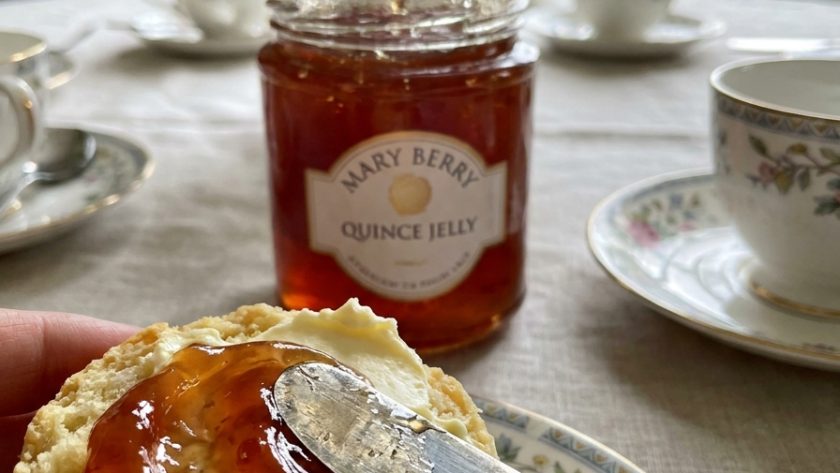
 Anna Louise
Quince jelly is the preserve I look forward to making more than almost any other. The quince is a strange and wonderful fruit — hard, pale yellow, and completely inedible raw — that transforms during cooking into something deeply fragrant, rose-coloured, and intensely flavoured.
The smell of quinces cooking is one of the most beautiful kitchen smells I know — warm, floral, slightly like rose and apple together. And the finished jelly, held up to the light, glows a deep rose-amber that is genuinely one of the most beautiful things I make.
Quinces are available in autumn — October and November in Britain — and are increasingly found in farm shops, greengrocers, and some supermarkets.
If you see them, buy them and make this jelly. I promise you it is worth every minute of the process, and a jar of homemade quince jelly given as a gift is something the recipient will remember.
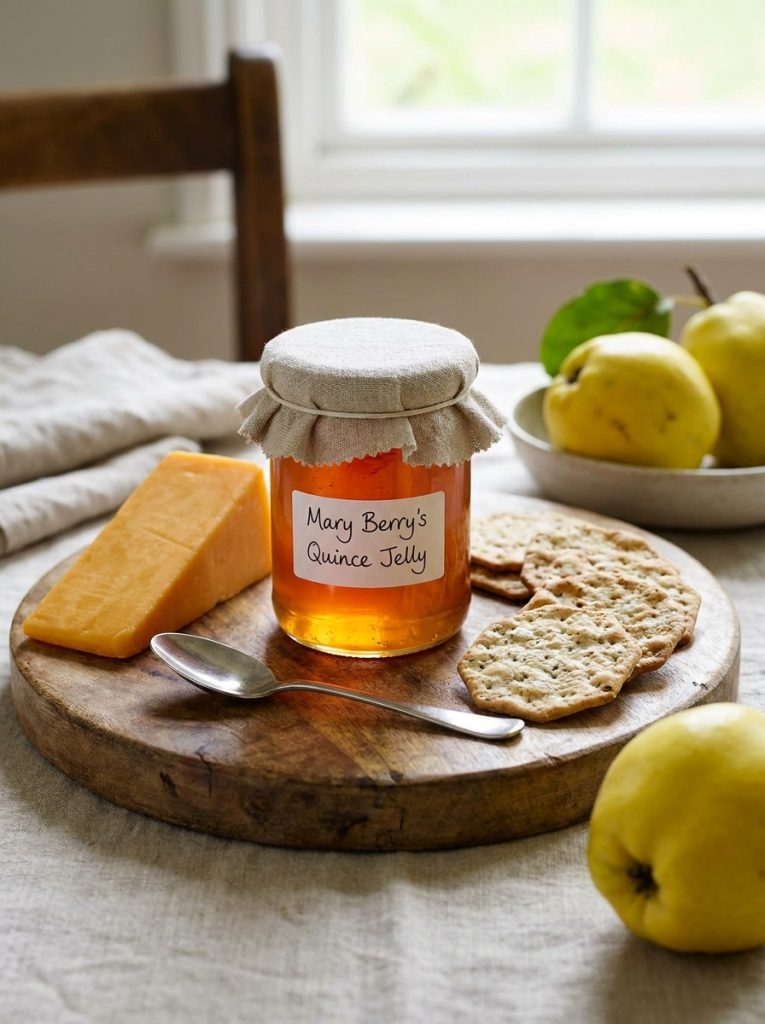
Ingredients for Mary Berry Quince Jelly
For the Quince Jelly (Makes approximately 4 x 450g jars)
- 1.5kg quinces — wiped clean, roughly chopped into 3–4cm chunks including skins, cores, and pips (do not peel or core — the pectin is in the skins and cores)
- Juice of 2 large unwaxed lemons
- 1.2 litres cold water
- Granulated sugar — weighed after straining, using 450g sugar for every 600ml of juice extracted
How to Make Mary Berry Quince Jelly
Step 1 — Cook the Quinces
Put the roughly chopped quinces — skins, cores, pips, and all — into a large preserving pan with the cold water and lemon juice. Bring to the boil. Reduce the heat and simmer gently for 45 to 60 minutes until the quinces are completely soft and pulpy, have turned from pale yellow to a soft pink-orange, and the liquid is deeply fragrant.
Do not rush this. The long simmer extracts all the pectin and colour from the quince pieces.
Step 2 — Strain Through a Jelly Bag
Pour the cooked quince pulp into a jelly bag or a colander lined with two layers of clean muslin set over a large bowl. Leave to drip through overnight — or for at least four to six hours.
Do not squeeze the bag. I know the temptation is there — squeezing speeds things up. But squeezing forces pulp through the muslin and gives a cloudy jelly rather than the clear, jewel-bright result that makes quince jelly so beautiful. Let gravity do the work.
Step 3 — Measure and Warm the Sugar
Measure the strained juice. For every 600ml of juice, use 450g of granulated sugar. Put the measured sugar into a low oven — 110°C / 90°C fan — for 15 minutes to warm. Warm sugar dissolves faster and gives a shorter boiling time.
Step 4 — Boil to Setting Point
Pour the strained quince juice into a clean preserving pan. Bring to the boil. Add the warm sugar. Stir over a medium heat until every grain has completely dissolved — test by running a spoon along the base of the pan. No graininess at all before increasing the heat.
Increase the heat to high. Bring to a vigorous rolling boil. Boil for 8 to 15 minutes. Start testing for set at 8 minutes.
Wrinkle test: Place a teaspoon of jelly on a cold plate from the freezer. Leave one minute. Push with your finger — if the surface wrinkles and does not flood back, setting point is reached.
Sugar thermometer: Setting point is 104–105°C.
As the jelly approaches setting point it will turn from pale pink-orange to a deeper, more vivid rose-amber colour. This colour change is one of the signs that setting point is near.
Step 5 — Pot and Seal
Remove from the heat. Skim any foam from the surface. Ladle immediately into warm sterilised jars — quince jelly does not need a resting period as there are no fruit pieces to distribute. Seal immediately. Label and store in a cool, dark place.
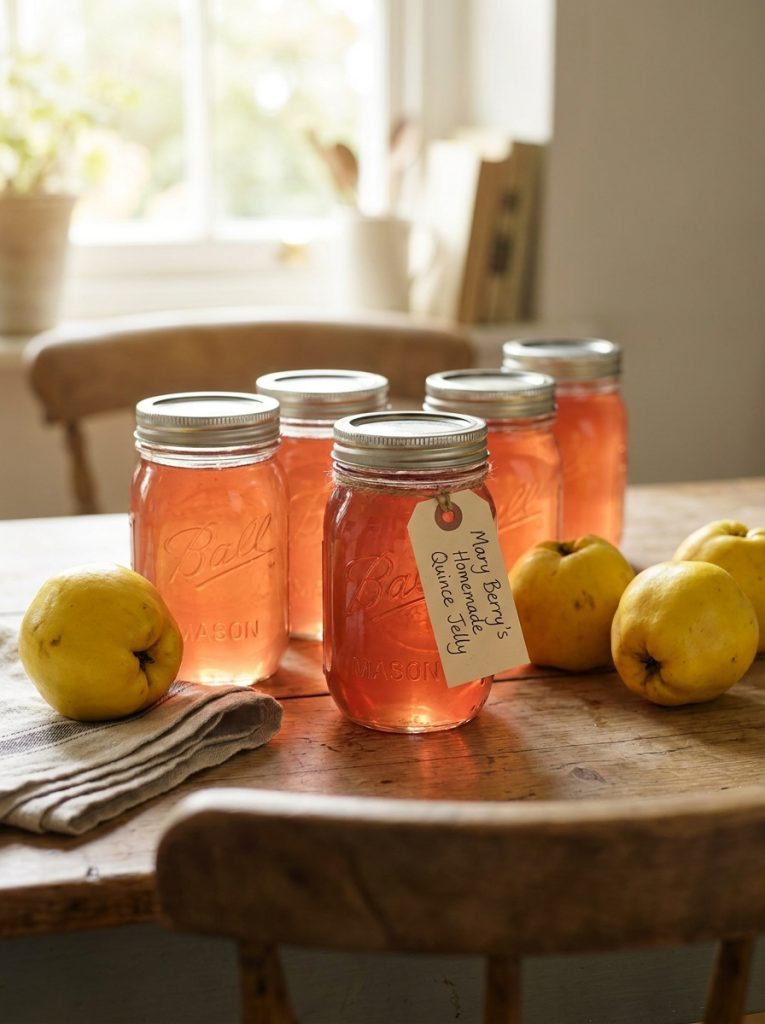
My Top Tips For Perfect Mary Berry Quince Jelly
Do not peel or core the quinces before cooking. The pectin that gives the jelly its set is concentrated in the skins, cores, and pips. Peeling and coring before cooking throws away exactly the parts of the fruit that make the jelly work. Roughly chop the whole fruit — everything goes in.
Do not squeeze the jelly bag. I make this point firmly because it is always tempting and always a mistake. Squeezing gives a cloudy jelly. Patience gives a clear, jewel-bright one. Leave it to drip overnight if possible.
The colour deepens as it boils — this is correct and beautiful. The quince jelly goes into the pan as a pale pinkish juice. As it boils and concentrates, it becomes progressively deeper in colour — moving from pale amber to a vivid, glowing rose-gold. The finished jelly in the jar should be a deep, clear rose-amber.
Quince jelly reaches setting point relatively quickly — the natural pectin in the skins and cores is high. Start testing at eight minutes. Over-boiled quince jelly loses its vivid colour and becomes darker and slightly caramelised.
This jelly is a magnificent gift. A jar of homemade quince jelly — properly labelled, with a fabric cover and a ribbon — is one of the most impressive homemade gifts I give. Very few people have tasted it and almost everyone is immediately charmed by it.
Serving Suggestions
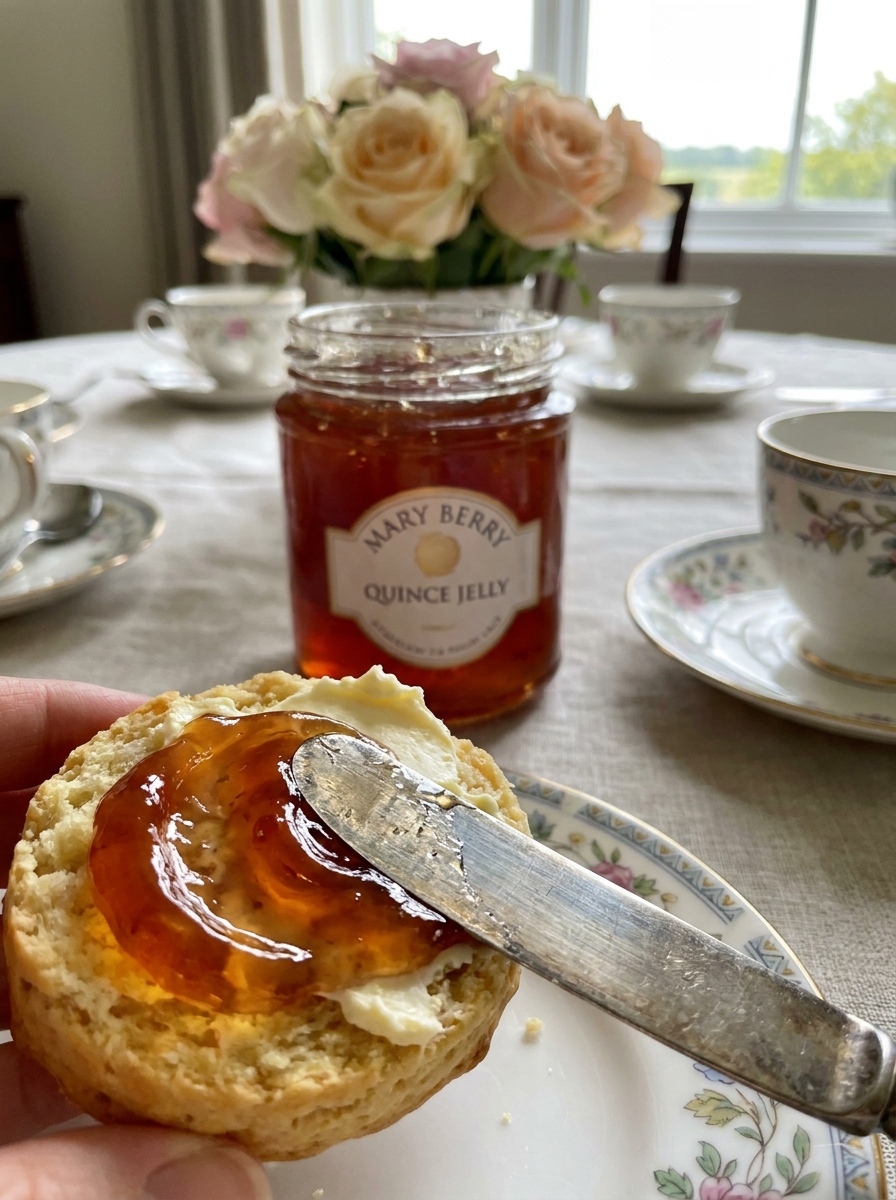
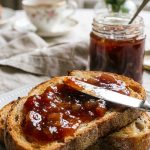
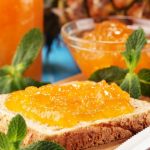
Spread on toast with cold salted butter — the quince flavour is extraordinary on good bread. As an accompaniment to a cheese board — it is particularly good with strong hard cheeses like aged Cheddar or manchego. As a glaze for roast pork, duck, or lamb. Spooned onto a scone instead of jam.
How to Store Mary Berry Quince Jelly
Sealed, unopened jars: Store in a cool, dark place for up to 12 months. Opened jar: Refrigerate and use within 6 weeks.
Mary Berry Quince Jelly Recipe
Ingredients
Method
- Put roughly chopped quinces (everything included), lemon juice, and water in a large preserving pan. Bring to boil — simmer gently 45–60 minutes until completely soft and deeply fragrant.
- Pour into a jelly bag or muslin-lined colander over a large bowl. Leave to drip 4–6 hours minimum — overnight ideal. Do not squeeze.
- Measure strained juice — weigh 450g sugar per 600ml juice. Warm sugar in a low oven 15 minutes.
- Bring strained juice to the boil. Add warm sugar — stir over medium heat until every grain dissolved. Increase heat — boil vigorously 8–15 minutes. Test for set at 8 minutes using wrinkle test or thermometer (104–105°C).
- Remove from heat — skim foam. Ladle immediately into warm sterilised jars. Seal immediately. Label and store.
Notes
Frequently Asked Questions
Where can I find quinces?
Farm shops, greengrocers, Middle Eastern food shops, and some supermarkets in October and November. They look like large, slightly misshapen yellow pears and have a distinctive floral fragrance.
Can I use an ordinary sieve instead of a jelly bag?
A jelly bag gives the clearest result. A large colander lined with two or three layers of clean muslin is a very good alternative. An ordinary kitchen sieve gives a slightly cloudier result but the flavour is identical.
Can I make quince jam instead of jelly?
Yes — after straining, mash or blend the cooked quince pulp and use it as you would the juice, reducing the water and sugar quantities accordingly. The result is a rough jam rather than a clear jelly.
My jelly has not set — what do I do?
Return to the pan, add the juice of one more lemon, boil hard for five to eight minutes and test again. Quince has high natural pectin so this almost always rescues a loose set.














Leave a Reply