
 Anna Louise
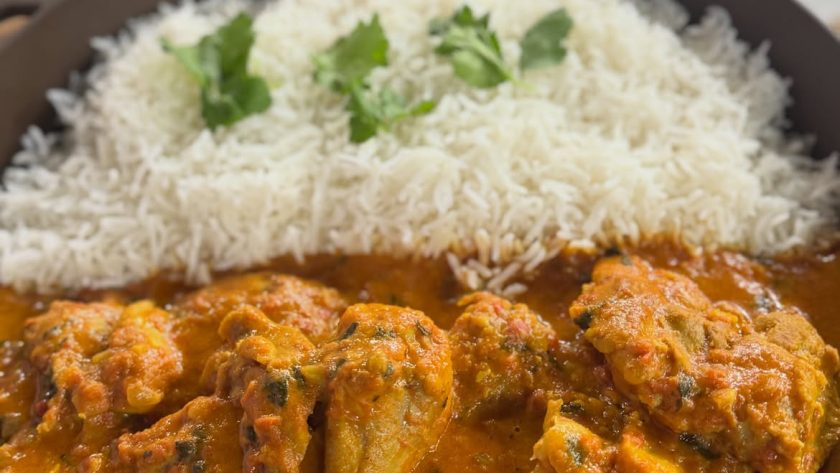
 A coconut milk chicken curry is the curry that converts people who think they do not like curry. The coconut milk softens the spice and gives the sauce a richness and creaminess that makes it approachable for everyone at the table.
It is gently spiced rather than aggressively hot, deeply fragrant rather than simply sharp, and it comes together in under an hour.
This is the curry I make most often for a family dinner — reliable, loved by everyone from children to adults who prefer things mild, and genuinely delicious.
The spice base is built from scratch with whole and ground spices, and the coconut milk goes in at the end to give the sauce its characteristic richness without making it sweet or cloying.
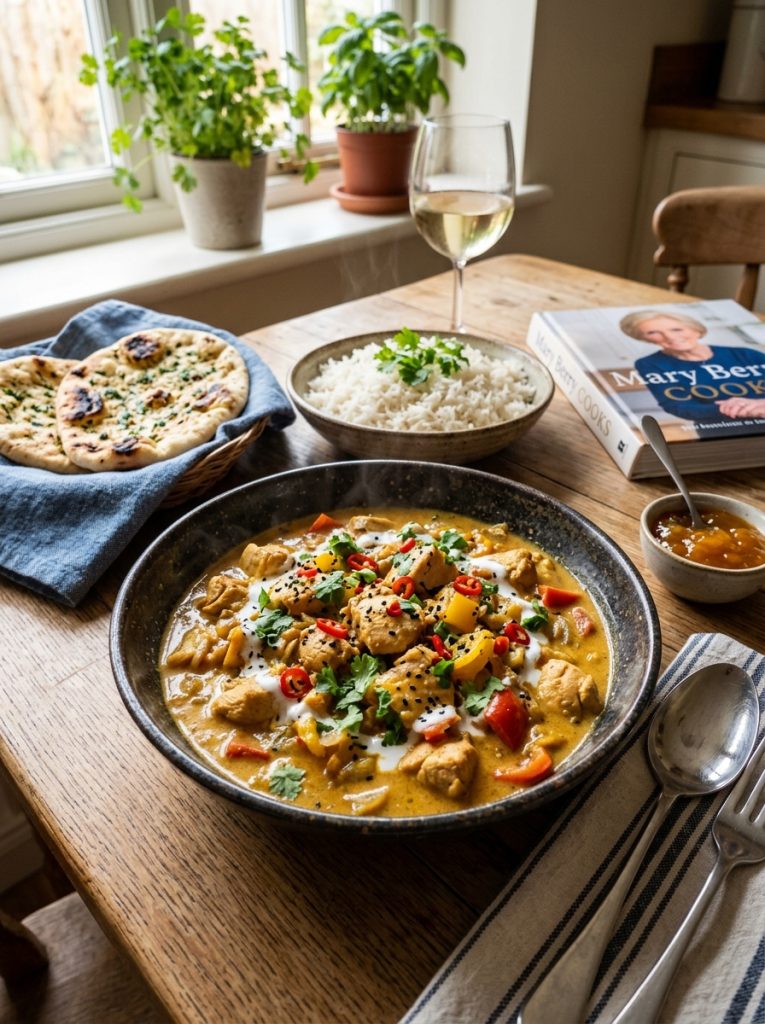
Ingredients for Mary Berry Chicken Curry with Coconut Milk
For the Curry
- 800g boneless skinless chicken thighs, cut into generous chunks
- 2 tbsp sunflower oil
- 2 large onions, finely chopped
- 4 garlic cloves, crushed
- 3cm fresh ginger, finely grated
- 1 tsp ground cumin
- 1 tsp ground coriander
- 1 tsp ground turmeric
- 1 tsp garam masala
- ½ tsp sweet paprika
- ¼ tsp cayenne pepper (or more to taste)
- 2 tbsp tomato purée
- 400g tin chopped tomatoes
- 400ml tin full-fat coconut milk
- 1 tsp caster sugar
- Salt to taste
- Fresh coriander to finish
To Serve
- Basmati rice or naan bread
- Natural yoghurt
- Mango chutney
How to Make Mary Berry Chicken Curry with Coconut Milk
Step 1 — Brown the Chicken
Season the chicken pieces generously. Heat the oil in a large, heavy-based pan over a medium-high heat. Brown the chicken in two batches — three to four minutes per batch until golden on the outside. Remove and set aside.
Step 2 — Cook the Onions
In the same pan, cook the finely chopped onions over a medium heat for twelve to fifteen minutes until completely soft, deeply golden, and beginning to caramelise. This is the most important step — deeply cooked onions give the curry its characteristic depth and sweetness. Undercooked onions give a harsh, slightly raw background flavour.
Step 3 — Add Aromatics and Spices
Add the garlic and ginger. Cook for two minutes, stirring frequently. Add all the ground spices — cumin, coriander, turmeric, garam masala, paprika, and cayenne. Stir continuously for two minutes until the spices are fragrant and coating everything in the pan. Add the tomato purée and cook for one more minute.
Step 4 — Build the Sauce
Add the chopped tomatoes and sugar. Stir well and bring to a simmer. Cook for eight to ten minutes until the sauce has reduced and thickened — the oil should be beginning to separate slightly at the surface. This reduction is important. It concentrates the tomato flavour and develops the depth of the curry base.
Step 5 — Add Chicken and Coconut Milk
Return the browned chicken to the pan. Stir to coat in the sauce. Pour in the coconut milk and stir to combine. Bring to a gentle simmer.
Cook uncovered over a low heat for 20 to 25 minutes until the chicken is completely cooked through and the sauce has reduced to a rich, slightly thick consistency. Taste and season with salt. Adjust the cayenne if more heat is wanted.
Step 6 — Finish and Serve
Scatter with fresh coriander. Serve over basmati rice or with warm naan bread, with yoghurt and mango chutney alongside.
My Top Tips For Perfect Chicken Curry with Coconut Milk
Cook the onions for twelve to fifteen minutes minimum. Deeply golden, caramelised onions are the foundation of this curry. Every minute spent on the onions at this stage pays back with depth in the finished dish. Undercooked onions are the most common reason a homemade curry tastes flat.
Let the tomato base reduce before adding coconut milk. The eight to ten minutes of reducing the tomato sauce concentrates the flavour and gives the curry its characteristic depth. Adding coconut milk too early to a thin tomato base gives a watery finished curry.
Use full-fat coconut milk. Low-fat coconut milk is too thin and watery for a curry sauce. Full-fat gives the rich, creamy consistency that defines this dish.
Do not boil vigorously once coconut milk is added. A gentle simmer keeps the coconut milk emulsified and the sauce creamy. A rolling boil can cause the coconut milk to split and give a slightly greasy, separated appearance.
Use chicken thighs not breasts. Thighs stay moist and tender through twenty-five minutes of gentle simmering. Breasts can become dry and stringy. Thighs are the correct choice for any slow-cooked curry.
Serving Suggestions
With basmati rice — the classic pairing. With warm naan bread for scooping. With a simple raita of yoghurt, cucumber, and fresh mint to cool and balance. With poppadoms on the side for texture contrast.
How to Store Chicken Curry with Coconut Milk
In the fridge: Store in an airtight container for up to 3 days. The flavour improves overnight.
In the freezer: Freeze in portions for up to 3 months. Defrost overnight and reheat gently, stirring well if the coconut milk has separated slightly.
Try These Recipes
- Mary Berry Salmon Risotto
- Mary Berry Chicken And Broccoli Bake
- Mary Berry Sticky Chicken Wings
- Mary Berry Chicken Marinade
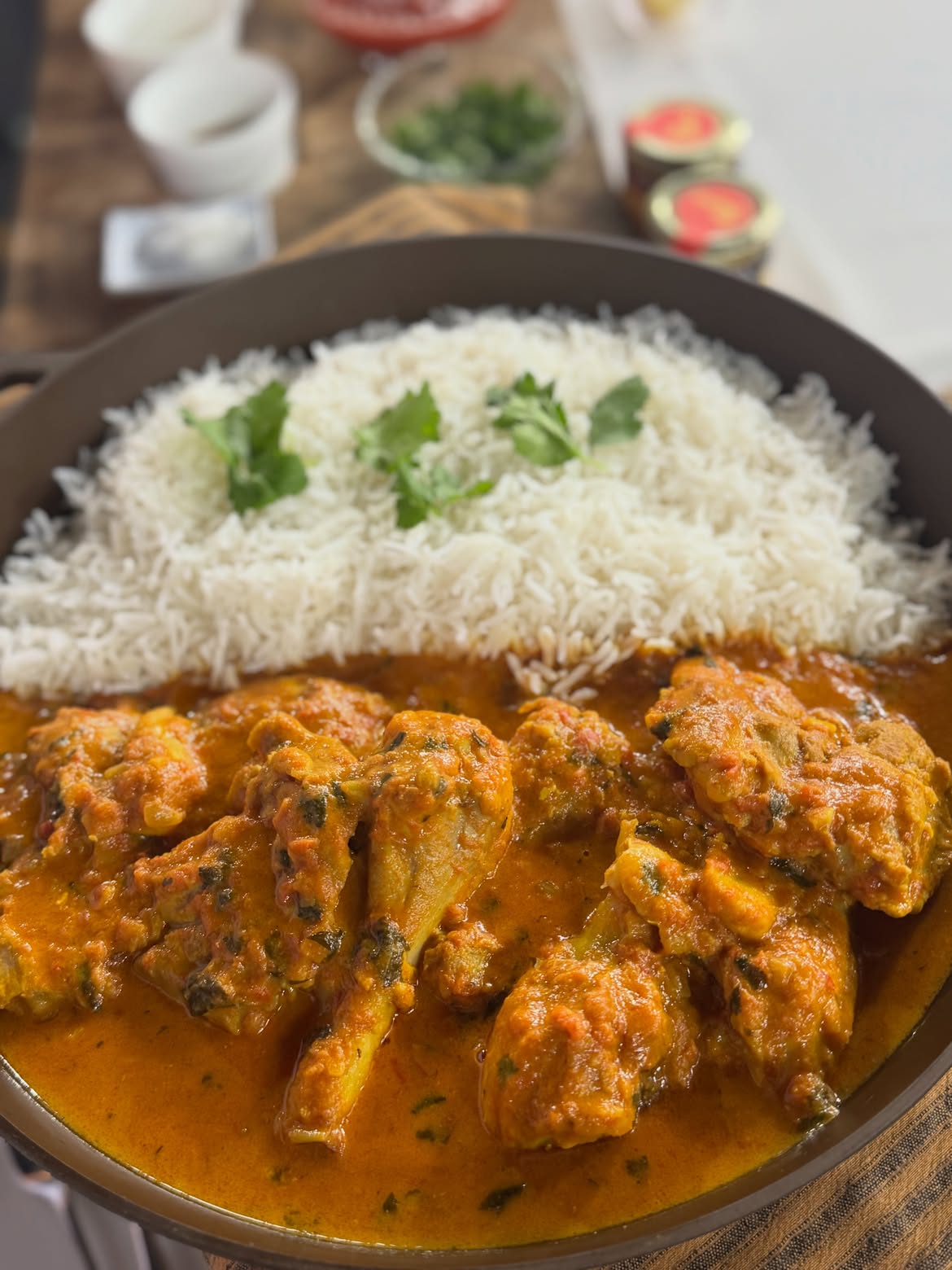
Mary Berry Chicken Curry with Coconut Milk Recipe
Ingredients
Method
- Season and brown chicken in batches — 3–4 minutes per batch. Remove.
- Cook onions over medium heat 12–15 minutes until deeply golden. Add garlic and ginger — 2 minutes. Add all spices — stir 2 minutes. Add tomato purée — 1 minute.
- Add tomatoes and sugar. Simmer 8–10 minutes until reduced and thickened.
- Return chicken. Add coconut milk. Bring to a gentle simmer. Cook uncovered 20–25 minutes until chicken is cooked through and sauce is rich.
- Taste and season. Scatter fresh coriander. Serve with rice or naan, yoghurt, and chutney.
Notes
Frequently Asked Questions
Can I use curry paste instead of individual spices?
Yes — two tablespoons of a good quality mild curry paste replaces the individual ground spices. The result is good but slightly less complex than the spice blend.
Can I make this vegetarian?
Yes — replace chicken with chickpeas, paneer, or a mixture of firm vegetables. Use vegetable stock in place of any added liquid.
Can I use chicken breast?
You can but add it for the final fifteen minutes of cooking only. Extended simmering dries breast meat significantly.
Why is my curry too thin?
Either the tomato base was not reduced sufficiently or too much coconut milk was added. Simmer uncovered for longer to reduce and concentrate the sauce.
















Leave a Reply