
 Anna Louise
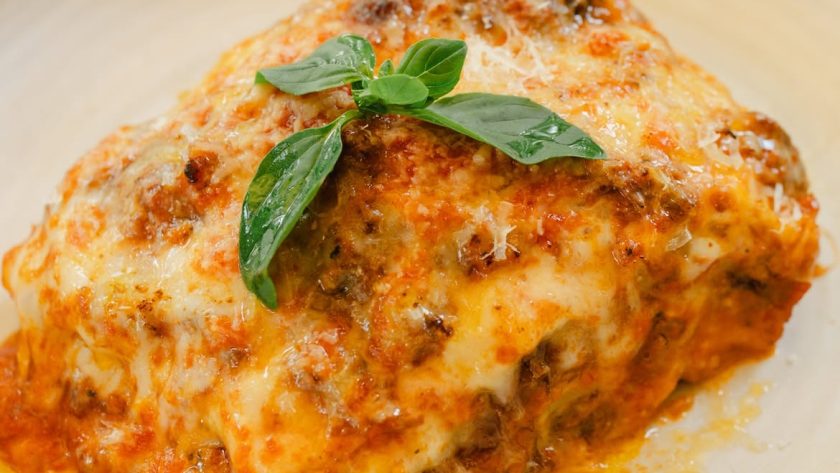
 Lasagne al forno is the proper name for what most people in Britain simply call lasagne — a baked pasta dish of alternating layers of pasta sheets, rich meat ragù, and silky béchamel, topped with cheese and baked until golden and bubbling.
It is the Italian bake that has become as British as any of the dishes in this collection, appearing on family dinner tables throughout the country every week.
Mary Berry’s lasagne al forno recipe is the version that does it justice. The ragù is made properly — ground beef cooked low and slow with a soffritto of onion, celery, and carrot, red wine, tomatoes, and a proper simmering time that transforms the meat from something flat and one-dimensional into something rich, deeply flavoured, and complex.
The béchamel is a proper velouté made with milk and good seasoning. And the assembly — the layering — is done correctly.
This is the lasagne that makes everyone at the table quiet for a moment before they start talking again. The sign of a great dish.
What Makes Lasagne al Forno Different From Standard Lasagne
The “al forno” means baked — all lasagne is technically al forno, but the term specifically refers to the classic Italian version with a slow-cooked ragù and a separate béchamel sauce, as opposed to quicker versions that use canned sauce or short cuts.
Three things distinguish the al forno version.
A slow-cooked ragù. Thirty to forty minutes minimum for the ragù to simmer and develop the right depth of flavour. The vegetables of the soffritto dissolve into the sauce. The wine reduces to nothing but its flavour. The meat absorbs the tomatoes. This takes time and cannot be rushed.
A proper béchamel. Not crème fraîche, not cream stirred through — a proper roux-based béchamel made with butter, flour, and milk. This is the element that gives the lasagne its characteristic creamy, slightly cheesy layers.
Resting before serving. Ten to fifteen minutes out of the oven. Non-negotiable. A lasagne served immediately from the oven collapses. Rested properly, it slices into clean, beautiful portions.
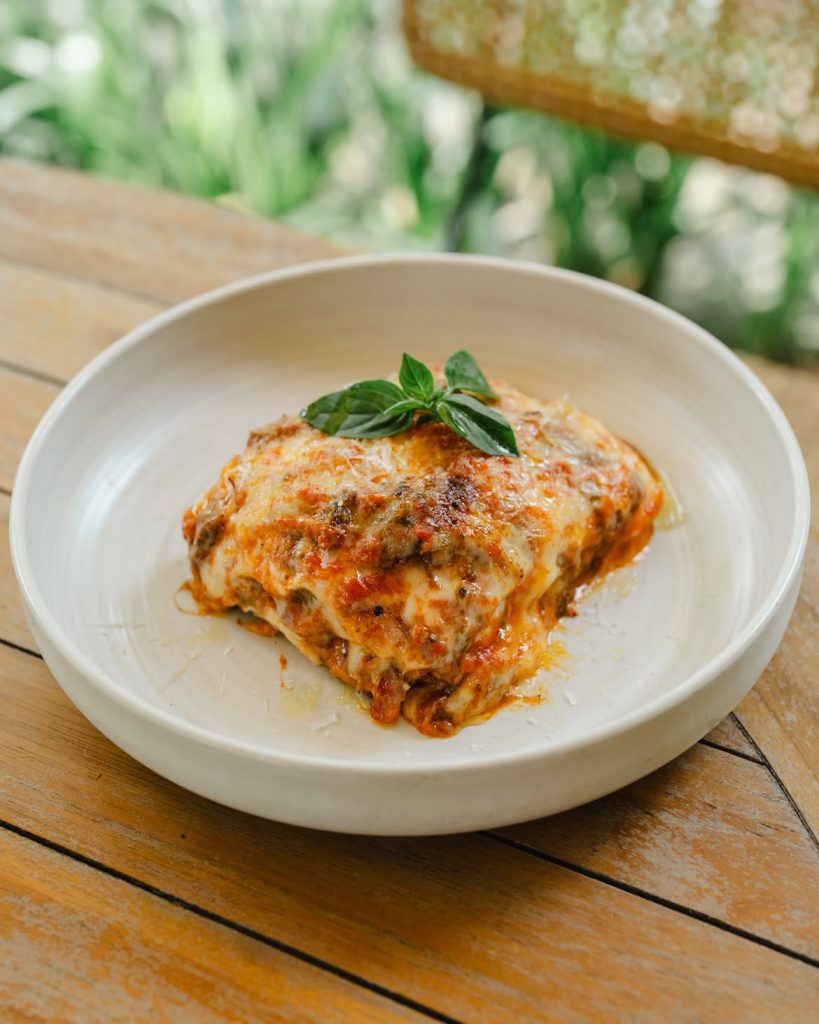
Ingredients for Mary Berry Lasagne al Forno
For the Beef Ragù
- 2 tbsp olive oil
- 1 large onion, finely chopped
- 2 celery sticks, finely chopped
- 2 carrots, peeled and finely chopped
- 4 garlic cloves, crushed
- 600g beef mince (ideally 15–20% fat)
- 200ml full-bodied red wine
- 2 x 400g tins chopped tomatoes
- 2 tbsp tomato purée
- 1 tsp dried oregano
- 1 tsp dried basil
- 1 tsp caster sugar
- 2 bay leaves
- Salt and freshly ground black pepper
For the Béchamel
- 75g unsalted butter
- 75g plain flour
- 900ml whole milk, warmed
- ½ tsp freshly grated nutmeg
- Salt and white pepper
For the Assembly
- 12 dried lasagne sheets (no pre-cook variety)
- 100g Parmesan, finely grated
- 100g mozzarella, torn (optional)
How to Make Mary Berry Lasagne al Forno — Step by Step
Step 1 — Make the Soffritto and Brown the Mince
Heat the olive oil in a large, heavy-based pan over a medium heat. Add the onion, celery, and carrot — the soffritto. Cook for ten minutes until completely softened and the onion is translucent. Add the garlic and cook for two more minutes.
Increase the heat to medium-high. Add the beef mince and cook, breaking it up with a wooden spoon, for eight to ten minutes until thoroughly browned — no pink remaining. Do not rush this stage — properly browned mince gives a depth of flavour that half-cooked mince cannot provide.
Step 2 — Build the Ragù
Add the red wine. Let it bubble vigorously, scraping the base of the pan, for three to four minutes until the wine has almost completely evaporated.
Add the chopped tomatoes, tomato purée, oregano, basil, sugar, and bay leaves. Season generously. Stir to combine. Bring to a gentle simmer.
Cook uncovered over a low heat for 35 to 40 minutes, stirring occasionally, until the ragù has thickened significantly, the liquid has reduced, and the sauce is rich and concentrated. Remove the bay leaves. Taste and adjust seasoning.
Step 3 — Make the Béchamel
Melt the butter in a heavy-based saucepan over a medium heat. Add the flour and stir for two minutes to cook through. Remove from the heat. Add the warm milk gradually, whisking continuously after each addition until smooth. Return to the heat and cook, stirring continuously, until the sauce comes to the boil and thickens to a consistency that coats the back of a spoon well. Add the nutmeg and season with salt and white pepper.
Step 4 — Assemble the Lasagne
Preheat your oven to 180°C / 160°C fan / Gas 4.
Spread a thin layer of béchamel over the base of a large, deep ovenproof dish — approximately 30x22cm. This prevents the pasta from sticking.
Layer 1: Lasagne sheets. Ragù. Béchamel. Parmesan.
Layer 2: Lasagne sheets. Ragù. Béchamel. Parmesan.
Layer 3: Lasagne sheets. Remaining béchamel. Parmesan. Mozzarella if using.
The top layer of béchamel must cover the pasta sheets completely — any exposed pasta will dry out during baking.
Step 5 — Bake
Place the dish on a baking tray. Bake for 35 to 40 minutes until the top is deep golden, the edges are bubbling, and a knife inserted through all the layers meets no resistance from the pasta.
Step 6 — Rest and Serve
Leave to rest for ten to fifteen minutes before slicing. This is the most important practical step — a properly rested lasagne slices cleanly and holds its layers. An unrested lasagne collapses.
My Top Tips For Perfect Lasagne al Forno
Make the ragù the day before if possible. Like all slow-cooked meat sauces, the ragù improves dramatically overnight. Making it the day before and refrigerating gives a richer, more deeply flavoured sauce and makes the assembly quicker on the day.
Use mince with 15 to 20% fat. Extra-lean mince gives a dry, flavourless ragù. Fat carries flavour. 15 to 20% fat gives a ragù that is rich, moist, and deeply satisfying.
Let the wine evaporate completely before adding the tomatoes. If the wine has not evaporated, the alcohol flavour remains in the finished sauce and gives a slightly harsh, raw edge. Three to four minutes of vigorous bubbling drives it off completely.
Warm the milk before making the béchamel. Adding cold milk to a hot roux is the most common cause of lumpy béchamel — the cold liquid shocks the roux and lumps form before you can whisk them out. Warmed milk incorporates smoothly.
Start and end with béchamel. A thin layer at the base prevents sticking. A generous layer at the top sets to a golden, slightly puffed surface that looks spectacular.
Rest for ten to fifteen minutes. Non-negotiable. The layers settle and the lasagne becomes sliceable rather than collapsing. Use this time to plate everything else and pour the wine.
Serving Suggestions
With a simple green salad and garlic bread — the timeless combination. With a glass of the same red wine used in the ragù. As the centrepiece of a dinner party — it can be assembled completely the day before and baked when needed.
How to Store Lasagne al Forno
In the fridge: Store covered for up to 3 days. Reheat covered with foil in a 180°C oven for 25 to 30 minutes or individual portions in the microwave.
In the freezer: Freeze before or after baking for up to 3 months. Defrost overnight in the fridge. Bake or reheat as directed, adding ten to fifteen minutes to the baking time if cooking from cold.
Try These Recipes
- Mary Berry Crustless Quiche
- Mary Berry One Pot Sausage Casserole
- Mary Berry Salmon Fish Cakes
- Mary Berry Italian Chicken
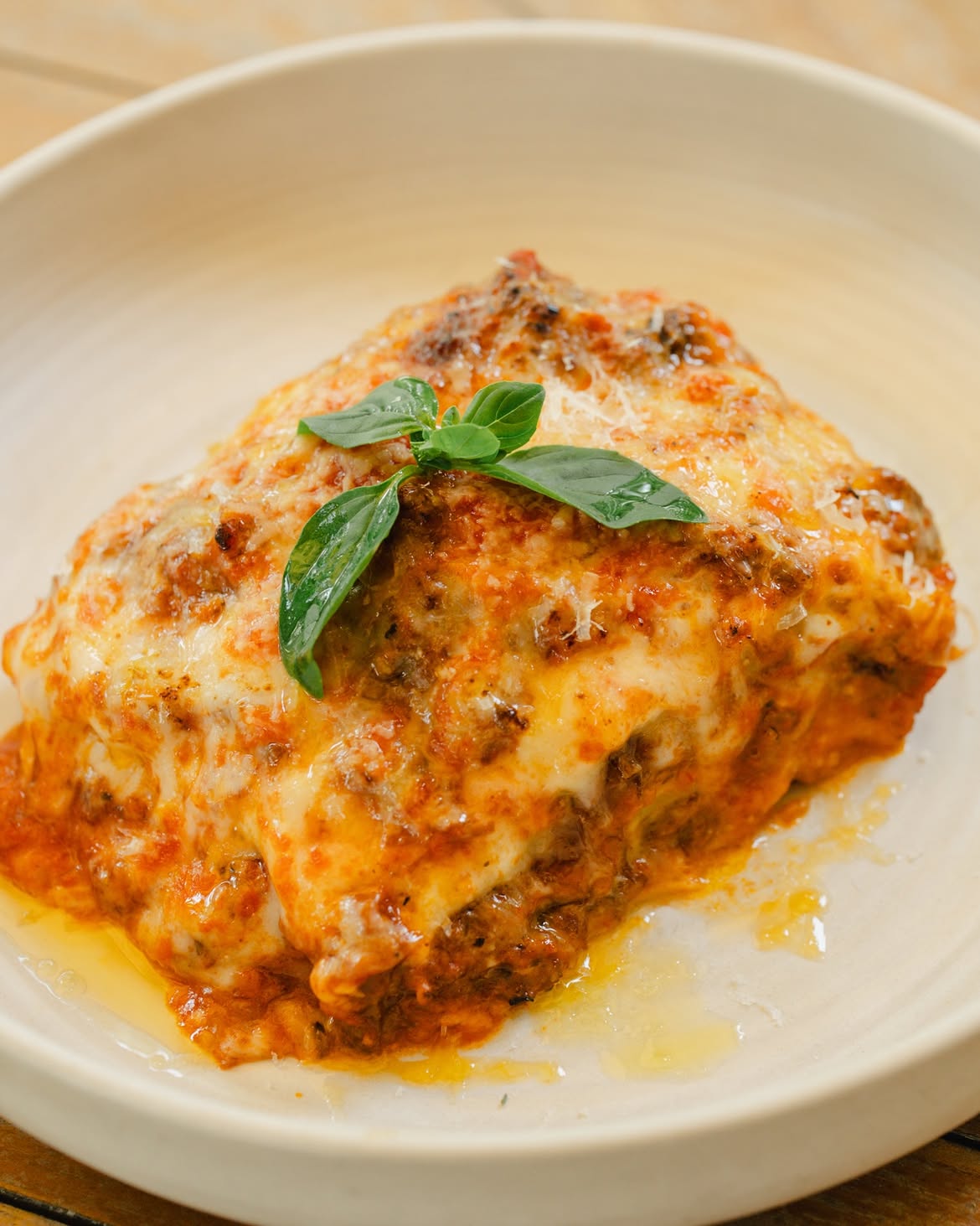
Mary Berry Lasagne al Forno Recipe
Ingredients
Method
- Cook onion, celery, and carrot in oil over medium heat 10 minutes. Add garlic — 2 minutes. Increase heat — add mince, break up and brown thoroughly 8–10 minutes.
- Add wine — bubble vigorously 3–4 minutes until almost evaporated. Add tomatoes, purée, herbs, sugar, and bay leaves. Season. Simmer uncovered 35–40 minutes until thick and rich. Remove bay leaves.
- Melt butter. Add flour — stir 2 minutes. Off heat, add warm milk gradually, whisking. Return to heat — stir until boiling and thickened. Add nutmeg, salt, and white pepper.
- Preheat oven to 180°C / 160°C fan / Gas 4. Spread thin béchamel on dish base. Layer: pasta, ragù, béchamel, Parmesan. Repeat twice. Final layer: pasta, remaining béchamel, Parmesan, mozzarella if using.
- Place on baking tray. Bake 35–40 minutes until golden and bubbling. Rest 15 minutes before slicing.
Notes
Frequently Asked Questions
Can I make this with pork and beef mince?
Yes — a 50/50 mixture of beef and pork mince gives a richer, more complex ragù than beef alone. The pork adds sweetness and fat that suits this sauce beautifully.
Can I use fresh pasta sheets?
Yes — fresh pasta sheets do not need pre-cooking and give a more tender result. Reduce the baking time to 25 to 30 minutes as fresh pasta cooks faster.
Can I add vegetables to the ragù?
Yes — finely chopped mushrooms added with the mince or a handful of baby spinach stirred through at the end are both wonderful additions.
Why is my lasagne watery?
Either the ragù was not simmered long enough to reduce properly, or the béchamel was too thin. The ragù should be thick and concentrated before it goes into the dish. The béchamel should coat the back of a spoon heavily.
Can I make this ahead?
Yes — assemble completely, cover, and refrigerate for up to 24 hours before baking. Add fifteen minutes to the baking time if cooking from cold.















Leave a Reply