
 Anna Louise
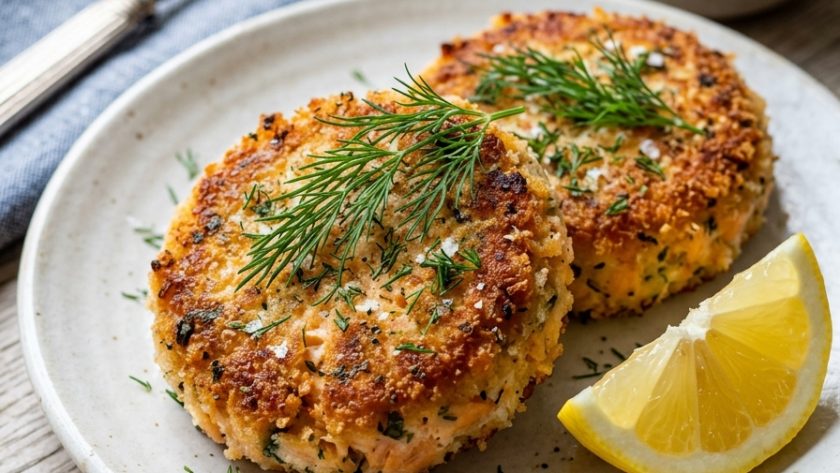
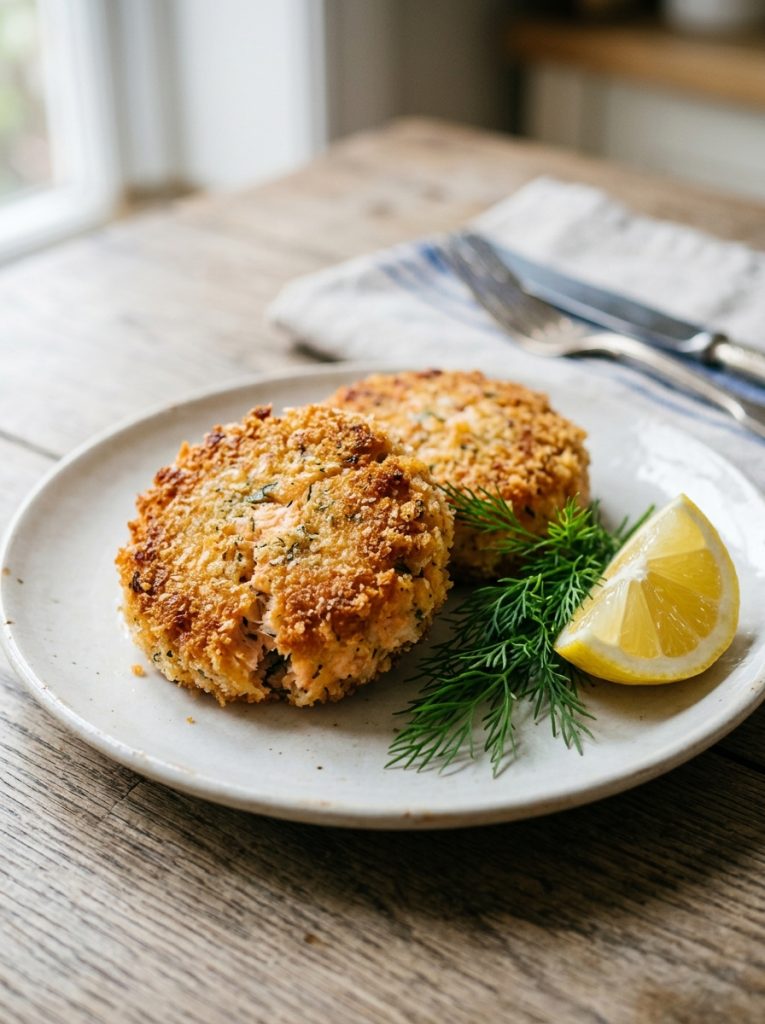
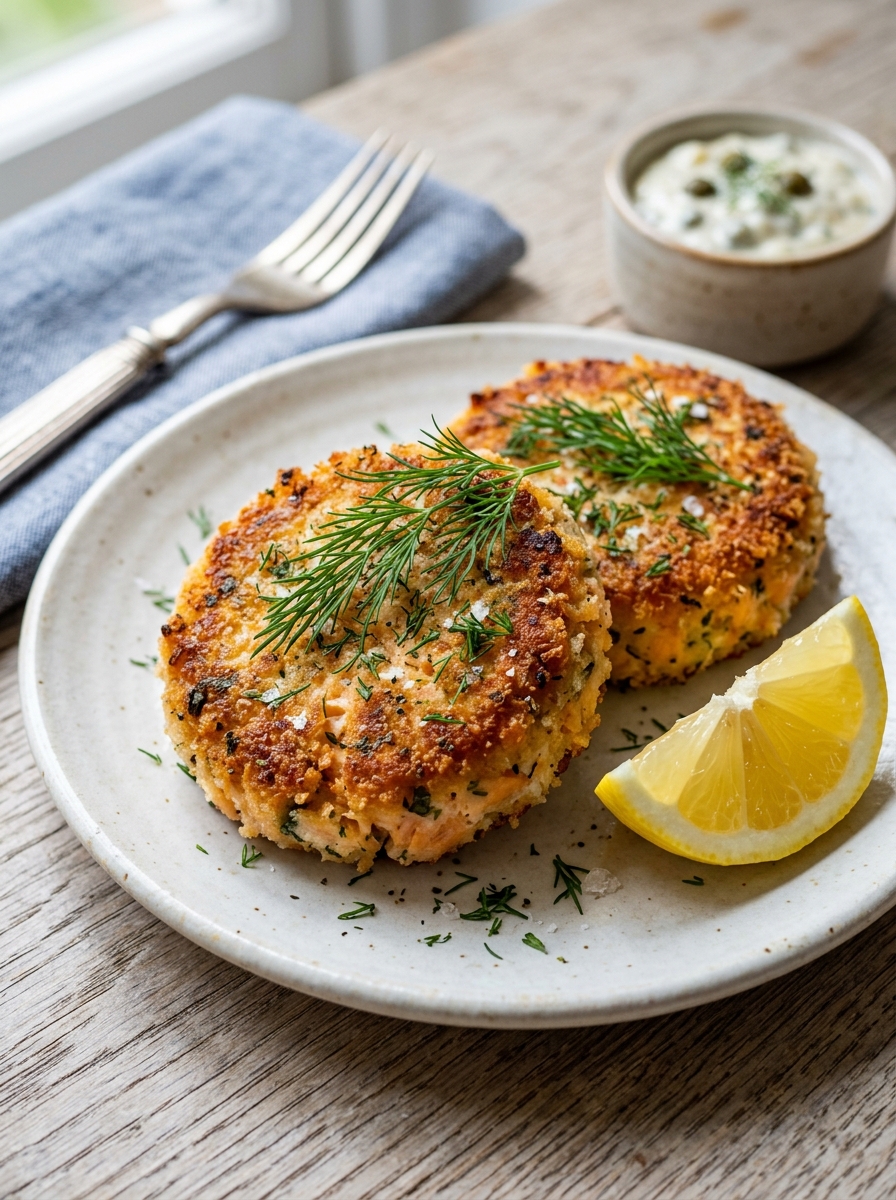
 A great fish cake is one of the most satisfying things British cooking produces. Golden and slightly crunchy on the outside, creamy, well-seasoned, and packed with flavour on the inside — it is the kind of meal that is simultaneously comforting and elegant, casual and impressive.
Mary Berry’s salmon fish cakes recipe produces fish cakes that genuinely earn the description great. The salmon is poached rather than cooked through baking or frying, giving a moist, tender flake. The mashed potato is properly seasoned and not too heavy.
The flavourings — lemon zest, capers, fresh dill, spring onions, and a little Dijon mustard — are calibrated to complement the salmon without overwhelming it. And the breadcrumb coating gives a crust that is genuinely crispy rather than merely browned.
These are the fish cakes that make people who claimed not to like fish cakes change their minds.
What Makes These Fish Cakes Great
Poaching the salmon. Poached salmon has a tender, moist flake that holds together beautifully in a fish cake without becoming dry during frying. Overcooked or baked salmon gives a drier result that crumbles rather than flaking cleanly.
The right potato-to-fish ratio. Too much potato and you have a potato cake with a hint of salmon. Too little and the fish cakes fall apart during frying. The ratio in this recipe — equal weights of cooked potato and salmon — gives a fish cake that holds together, has good structure, and tastes predominantly of salmon.
Chilling before frying. Fish cakes that go from the mixing bowl directly into the frying pan fall apart. Thirty minutes in the fridge firms them up completely and makes the difference between a fish cake that holds its shape and one that disintegrates in the pan.
Ingredients for Mary Berry Salmon Fish Cakes (Makes 8)
For the Fish Cakes
- 500g salmon fillet, skin removed
- 500g floury potatoes (Maris Piper or King Edward), peeled and roughly chopped
- Zest of 1 unwaxed lemon
- 1 tbsp fresh dill, finely chopped
- 2 spring onions, finely chopped
- 1 tbsp capers, rinsed and roughly chopped
- 1 tsp Dijon mustard
- 1 tbsp fresh flat-leaf parsley, finely chopped
- Salt and freshly ground black pepper
For the Coating
- 75g plain flour, seasoned with salt and pepper
- 2 large eggs, beaten
- 150g fresh white breadcrumbs
For Frying
- 3 tbsp sunflower or vegetable oil
- 25g unsalted butter
To Serve
- Tartare sauce or lemon mayonnaise
- Lemon wedges
- Simple green salad or steamed peas
How to Make Mary Berry Salmon Fish Cakes — Step by Step
Step 1 — Poach the Salmon
Place the salmon fillet in a wide, shallow pan. Cover with cold water and add a slice of lemon, a bay leaf, and a few peppercorns. Bring to a very gentle simmer over a medium-low heat. Poach for eight to ten minutes until the salmon is just cooked through — it should flake easily when pressed with a fork but still be slightly translucent in the centre.
Lift the salmon carefully from the water. Leave to cool completely. Once cool, flake into large pieces — not too small, you want distinct chunks of salmon throughout the fish cake.
Step 2 — Cook and Dry the Potatoes
Cook the potato chunks in well-salted boiling water until completely tender — about 15 to 20 minutes. Drain thoroughly. Return to the pan over a low heat for one to two minutes to drive off all excess moisture. Mash until smooth — no lumps. Season very well with salt and pepper. Leave to cool completely.
Both the salmon and the potato must be completely cold before mixing — warm ingredients make the fish cakes difficult to handle and shape.
Step 3 — Make the Fish Cake Mixture
Gently fold the flaked salmon, lemon zest, fresh dill, spring onions, capers, Dijon mustard, and parsley into the cooled mashed potato. Mix with a light hand — you want the salmon to remain in identifiable flakes rather than being broken down into a paste.
Taste and season generously with salt and pepper. The mixture should taste well-seasoned and clearly of salmon.
Step 4 — Shape
Divide the mixture into eight equal portions. Shape each portion into a flat, round cake approximately 2cm thick and 8cm in diameter. Keep them an even thickness so they cook through evenly.
Step 5 — Coat
Set up a coating station — seasoned flour on one plate, beaten eggs in a shallow bowl, fresh breadcrumbs on another plate.
Coat each fish cake: flour first (shake off excess), then egg (let excess drip off), then breadcrumbs (press firmly all over to adhere). Place on a lined baking tray.
Refrigerate for 30 minutes minimum — one hour is better. This firms up the fish cakes completely and ensures they hold their shape during frying.
Step 6 — Fry
Heat the sunflower oil and butter together in a large, non-stick frying pan over a medium heat. When the butter is foaming, add the fish cakes in batches — do not crowd the pan. Cook for three to four minutes per side until deep golden and crispy. The butter gives colour and flavour; the oil prevents it from burning.
Step 7 — Serve
Serve immediately with tartare sauce or lemon mayonnaise, lemon wedges, and a simple salad or steamed peas.
My Top Tips For Perfect Salmon Fish Cakes
Dry the potatoes thoroughly. Wet mashed potato makes the fish cake mixture too loose to shape properly. Return the drained potatoes to the pan over a low heat for one to two minutes until the steam has stopped rising. Dry mash gives a firm, shapeable fish cake mixture.
Cool everything completely before mixing. Warm salmon and warm mash make a soft, sticky mixture that is nearly impossible to shape. Cool both completely — refrigerate if needed — before combining.
Chill the shaped fish cakes before frying. Thirty minutes minimum. This is the step that keeps fish cakes from falling apart in the pan. They firm up considerably in the fridge and fry without losing their shape.
Use fresh breadcrumbs. Day-old white bread blitzed briefly in a food processor gives a finer, crispier coating than dried breadcrumbs. The coating stays crispy for longer and gives a more attractive, more even golden colour.
Oil and butter together for frying. Butter alone burns at the temperature needed for a golden crust. Oil alone lacks the flavour and browning quality that butter gives. Together they produce the perfect frying medium.
Serving Suggestions
With tartare sauce and lemon wedges — the classic combination. With a simple green salad and steamed peas for a light, complete dinner. With poached eggs on top for a brunch version. With a watercress salad dressed with lemon vinaigrette.
How to Store Salmon Fish Cakes
In the fridge: Store cooked or uncooked fish cakes for up to 2 days. Reheat cooked fish cakes in a 180°C oven for 12 to 15 minutes until piping hot and the coating has re-crisped.
In the freezer: Freeze uncooked, coated fish cakes on a tray until solid, then transfer to a freezer bag for up to 3 months. Fry from frozen over a medium-low heat for six to seven minutes per side.
Try These Recipes
- Mary Berry One Pot Sausage Casserole
- Mary Berry Italian Chicken
- Mary Berry Chicken And Mushroom Risotto
- Mary Berry Honey Mustard Chicken
Mary Berry Salmon Fish Cakes Recipe
Ingredients
Method
- Poach salmon in barely simmering water with lemon, bay leaf, and peppercorns — 8–10 minutes until just cooked. Cool completely. Flake into large pieces.
- Boil potatoes until tender. Drain. Dry over low heat 1–2 minutes. Mash until smooth. Season generously. Cool completely.
- Fold salmon, lemon zest, dill, spring onions, capers, mustard, and parsley into cooled mash. Mix with a light hand. Season well.
- Divide into 8 portions. Shape into flat cakes, 2cm thick. Coat in flour, then egg, then breadcrumbs — pressing firmly. Refrigerate 30 minutes minimum.
- Heat oil and butter in a large non-stick pan over medium heat. Fry in batches 3–4 minutes per side until deep golden and crispy.
- Serve immediately with tartare sauce, lemon wedges, and salad or peas.
Notes
Frequently Asked Questions
Can I use tinned salmon?
Yes — two 200g tins of drained, deboned salmon work perfectly well as a shortcut. The flavour is slightly less delicate than fresh but still very good. Mix straight into the potato mixture without poaching.
Can I add smoked salmon?
Yes — replace half the fresh salmon with flaked smoked salmon for a more intensely flavoured fish cake with a wonderful smoky note.
Can I bake these instead of frying?
Yes — brush lightly with oil and bake at 200°C for 20 to 25 minutes, turning once halfway. They will not be quite as golden or as crispy as fried but are still very good.
Why are my fish cakes falling apart?
Either the potato was too wet, the mixture was warm when shaped, or they were not chilled before frying. Ensure the potato is thoroughly dried, everything is cold, and the fish cakes are refrigerated for at least 30 minutes.
Can I make mini fish cakes for a starter or party?
Yes — shape into smaller, thinner cakes and reduce the frying time to two to three minutes per side. Mini fish cakes are wonderful as a dinner party starter or party canapé.















Leave a Reply