
 Anna Louise
 A marmalade loaf cake is one of those recipes that sounds slightly old-fashioned and tastes completely wonderful. The marmalade does two things that neither orange zest alone nor jam alone can do.
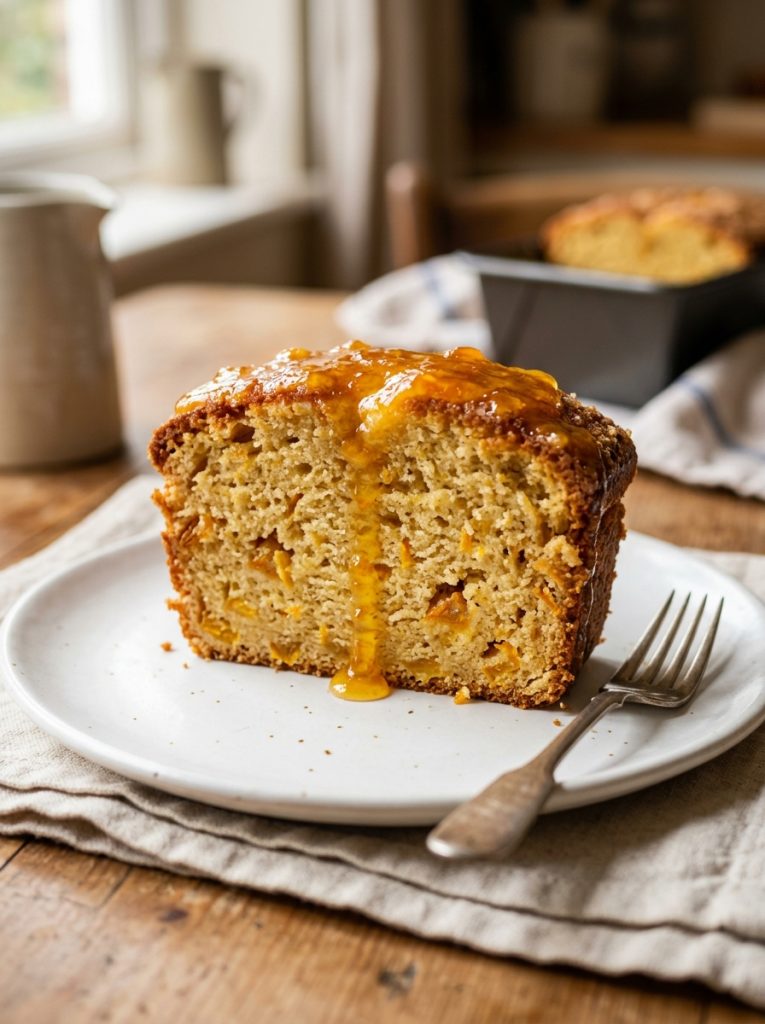
It gives a bittersweet, complex citrus flavour throughout the sponge that is richer and more grown-up than a plain lemon or orange cake, and it gives the cake a slightly sticky, slightly dense quality that makes it more interesting to eat than a standard loaf sponge.
I make this when I have an open jar of marmalade that needs using, or when I want something for the cake tin that will genuinely keep well and improve slightly over a day or two.
It is also the cake I make for people who love marmalade — who find its bitter, fragrant character as satisfying as I do — and who have perhaps not considered making it into a cake before.
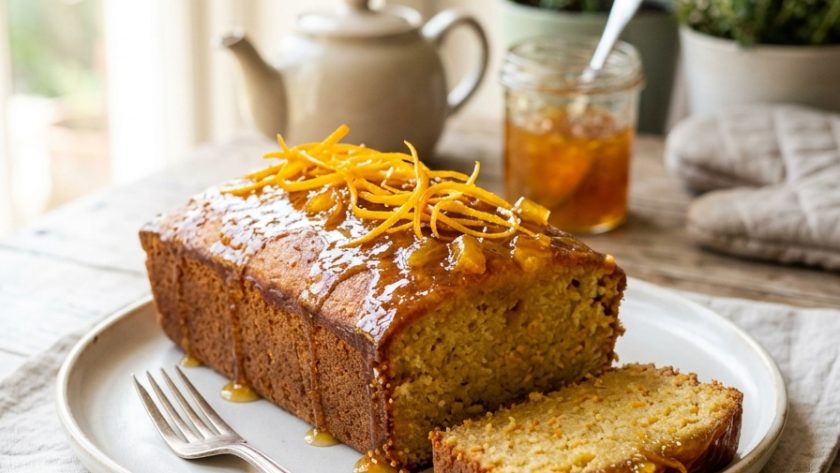
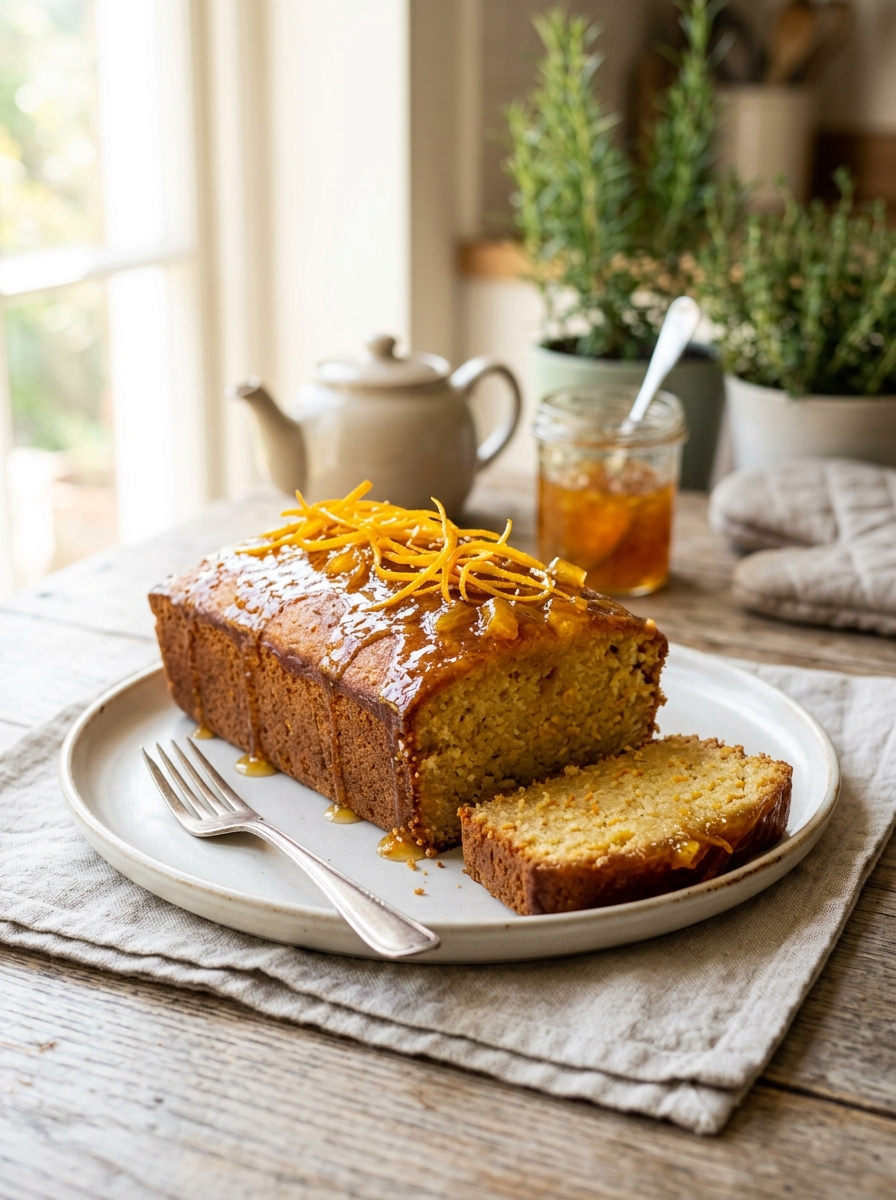
The marmalade glaze brushed over the warm cake gives a glossy, slightly sticky top that sets as it cools and makes the loaf look genuinely beautiful.
Ingredients for Mary Berry Marmalade Loaf Cake
For the Marmalade Loaf Cake
- 175g unsalted butter, softened
- 175g soft light brown sugar
- 3 large eggs, at room temperature
- 175g self-raising flour, sifted
- 1 tsp baking powder
- 4 tbsp good quality thick-cut marmalade — Seville orange marmalade gives the best flavour
- Finely grated zest of 1 large unwaxed orange
- 2 tbsp fresh orange juice
- 2 tbsp whole milk
- 1 tsp vanilla extract
For the Marmalade Glaze
- 4 tbsp good quality marmalade
- 1 tbsp fresh orange juice — to thin the glaze slightly
Optional Additions
- 75g walnuts or pecans, roughly chopped — folded in for texture
- 50g dark chocolate chips — for a chocolate and marmalade version
How to Make Mary Berry Marmalade Loaf Cake
Step 1 — Preheat and Prepare
Preheat your oven to 170°C / 150°C fan / Gas 3. Grease a 900g (2lb) loaf tin generously and line with baking parchment, leaving overhang at both long sides.
Step 2 — Make the Batter
Beat the softened butter and soft light brown sugar together for four to five minutes until pale and fluffy. The brown sugar never becomes as pale as white caster sugar but the mixture should lighten significantly.
Add the eggs one at a time, beating well after each. Add the vanilla extract, orange zest, and orange juice.
Add the marmalade and beat briefly until combined — the marmalade will not incorporate completely smoothly because of the peel pieces. Small flecks and threads of peel throughout the batter are perfectly correct and give the finished cake its characteristic appearance.
Sift the flour and baking powder into the bowl. Add the milk. Fold gently until just combined. Fold in the walnuts or chocolate chips if using.
Step 3 — Bake
Spoon the batter into the prepared tin. Level the surface.
Bake for 55 to 65 minutes until deep golden, the top has the characteristic loaf cake crack down the centre, and a skewer inserted into the very centre comes out clean.
Cover loosely with baking parchment after 40 minutes if the top is browning too quickly.
Leave to cool in the tin for fifteen minutes.
Step 4 — Apply the Marmalade Glaze
Warm the four tablespoons of marmalade with the orange juice in a small saucepan over a low heat until the marmalade has liquefied and is pourable. Stir to combine.
While the cake is still warm — not hot — lift it out of the tin using the parchment overhang and place on a wire rack over a piece of baking parchment. Brush the warm marmalade glaze generously over the entire top and sides of the loaf, letting it soak slightly into the warm sponge and drip onto the parchment below.
Apply two coats of the glaze for a deeper, glossier finish.
Leave to cool completely. The glaze sets to a slightly sticky, glossy coating that looks genuinely beautiful.
My Top Tips For Best Marmalade Loaf Cake
Use thick-cut Seville orange marmalade. Thin-cut marmalade gives less textural interest — the peel pieces in the batter are part of what makes a marmalade cake specifically a marmalade cake. Thick-cut Seville orange marmalade gives the most complex, most bittersweet flavour. Good shop-bought marmalade is perfectly fine. Homemade — see the three fruit marmalade recipe on this site — is exceptional.
Soft light brown sugar suits marmalade better than white caster. The slight molasses note in brown sugar complements the bittersweet character of the marmalade in the same way that brown sugar suits apple cake and gingerbread. White sugar gives a flatter, less complex result.
The marmalade will not incorporate completely smoothly — this is correct. The peel and the jelly in marmalade behave differently when beaten into butter and eggs. Small, irregular threads and flecks of peel in the batter are exactly right and give the finished cake its distinctive character.
Apply the glaze while the cake is still warm. Warm cake absorbs the glaze slightly rather than letting it sit purely on the surface. Two coats while warm gives a properly integrated, glossy finish that looks far more professional than one coat applied cold.
This cake improves over two to three days. The marmalade flavour deepens and spreads through the sponge as it rests. Day one is very good. Day three is genuinely excellent. Make it ahead if you can.
Serving Suggestions
Sliced at room temperature with a cup of strong tea — its most natural and most appropriate setting. With cold salted butter spread generously on each slice. As a gift — it keeps beautifully for four days and travels well. As part of an afternoon tea spread where something slightly more interesting than a standard sponge is wanted.
How to Store Marmalade Loaf Cake
At room temperature: Store in an airtight container for up to 4 days. The marmalade keeps the cake moist and the flavour deepens.
In the freezer: Freeze without the marmalade glaze for up to 3 months. Apply the glaze fresh after defrosting and warming slightly.
Mary Berry Marmalade Loaf Cake Recipe
Ingredients
Method
- Preheat oven to 170°C / 150°C fan / Gas 3. Grease and line a 900g loaf tin with parchment sling.
- Beat butter and brown sugar 4–5 minutes. Add eggs one at a time. Add vanilla, orange zest, and juice. Add marmalade — beat briefly. Small flecks of peel in the batter are correct.
- Sift in flour and baking powder. Add milk — fold gently. Fold in walnuts or chocolate chips if using.
- Spoon into tin — level surface. Bake 55–65 minutes until golden and skewer comes out clean. Cover after 40 minutes if browning too quickly. Cool in tin 15 minutes.
- Warm marmalade and orange juice in a small pan until liquid. Lift cake from tin onto a wire rack over parchment. Brush warm glaze over top and sides — two coats for a deeper, glossier finish. Cool completely.
Notes
Frequently Asked Questions
Can I use lemon curd instead of marmalade?
Lemon curd gives a smoother, less bitter, more straightforwardly lemon result. Completely delicious but a different cake — softer in character, without the complex bittersweet note that marmalade gives.
Can I use fine-cut marmalade?
Yes — fine-cut marmalade gives a more uniform batter with less visible peel. The flavour is the same but the texture of the finished cake is slightly different — less obviously marmalade in appearance.
Can I add ground ginger?
Yes — one teaspoon of ground ginger added with the flour gives a marmalade and ginger combination that is completely wonderful. Ginger and Seville orange are a specific, classic pairing.
Can I make this as a round cake?
Yes — bake in a deep 20cm round springform tin at the same temperature for 40 to 45 minutes. Apply the glaze as directed. The round cake gives a slightly shallower, wider result but the flavour is identical.














Leave a Reply