
 Anna Louise
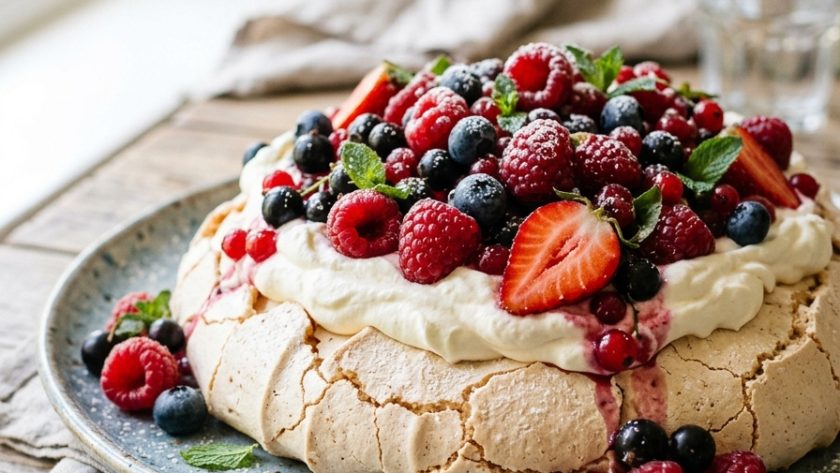
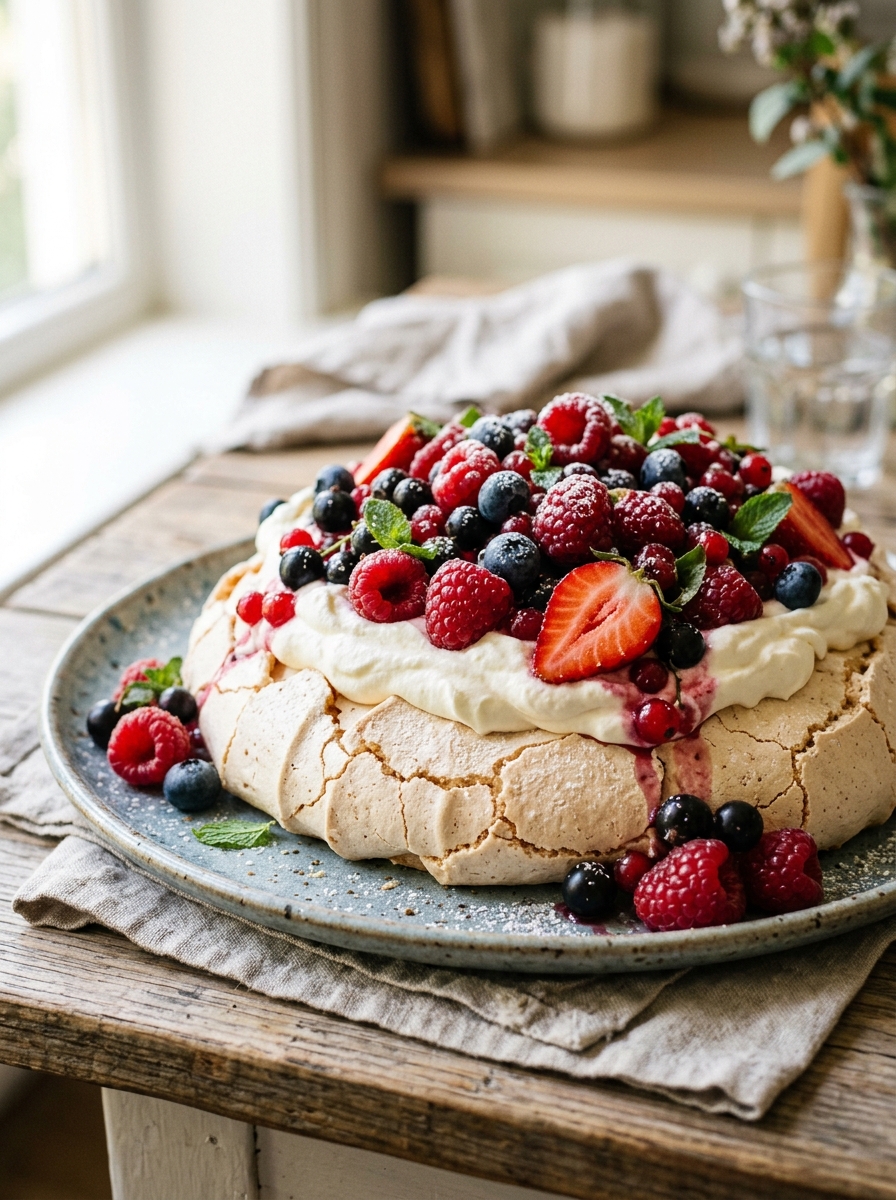
 There are few desserts that arrive at the table with quite the same impact as a pavlova. That great cloud of white meringue, piled with whipped cream and vivid, jewel-bright fruit — it is one of the most beautiful things British home baking produces, and one of the most completely delicious.
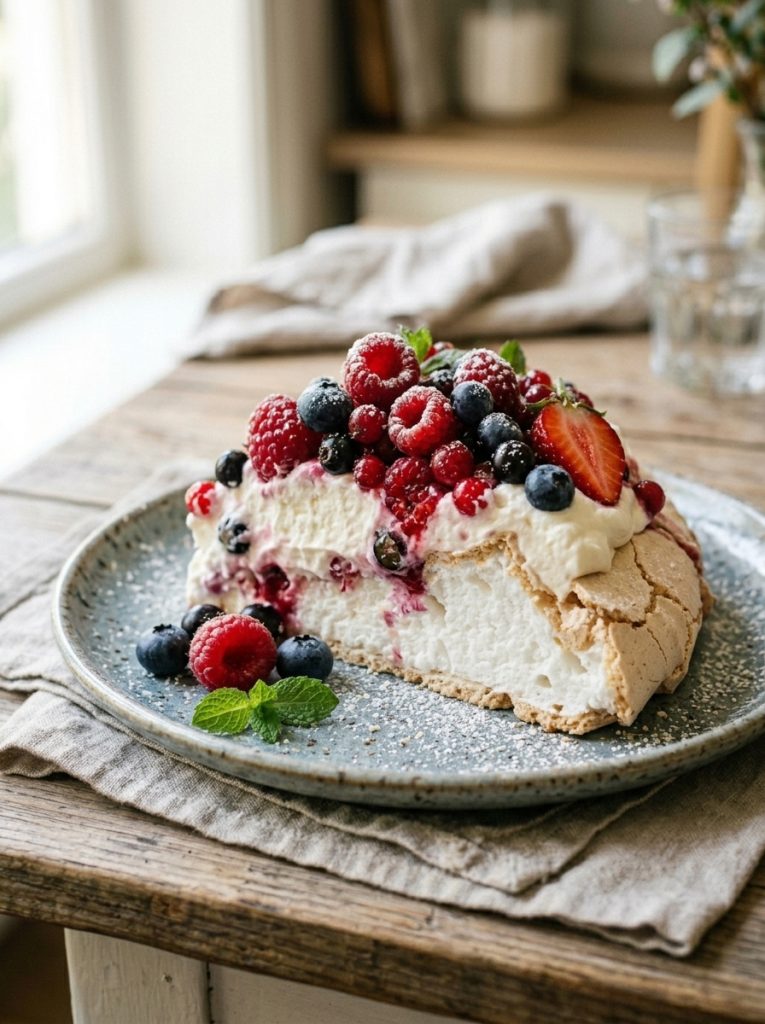
Mary Berry’s pavlova is the version I have made for every summer celebration for as long as I can remember. The meringue is exactly right — crisp and dry on the outside, with a gentle snap when you press through it, and then that wonderful soft, marshmallowy interior that is entirely unique to pavlova and completely irresistible.
The cream topping is lightly whipped, barely sweetened, the perfect cool contrast to the sweet meringue. And the fruit — whatever is freshest and most beautiful at the moment — makes every pavlova slightly different and always spectacular.
If you have been searching for the perfect Mary Berry pavlova recipe, this is the one. Once you understand the few key techniques that make pavlova work, it is far less frightening than its reputation suggests.
What Makes a Perfect Pavlova?
The right ratio of vinegar and cornflour to egg whites. These two additions are what distinguish pavlova from a regular meringue. The vinegar stabilises the egg white foam and contributes to the soft, marshmallowy interior. The cornflour absorbs some moisture during baking and gives the inside that characteristic slight chewiness. Neither is optional.
A low, slow oven followed by cooling inside the oven. The pavlova bakes at a low temperature to dry out the exterior without browning it. Then — and this is crucial — it is left in the turned-off oven to cool completely. This gradual cooling prevents the dramatic cracking and collapsing that happens when a hot pavlova hits cold air. Some cracking is inevitable and is part of the character of a pavlova — but collapsing entirely is what we are preventing.
Room temperature egg whites. Cold egg whites do not whip to the same volume as room temperature ones. Take your eggs out of the fridge at least 30 minutes before you start.
Ingredients for Mary Berry Pavlova
For the Pavlova Meringue
- 6 large egg whites, at room temperature
- 350g caster sugar
- 2 tsp cornflour
- 1 tsp white wine vinegar
- 1 tsp vanilla extract
For the Topping
- 450ml double cream
- 2 tbsp icing sugar, sifted
- 1 tsp vanilla extract
For the Fruit
- 400g fresh strawberries, hulled and halved
- 200g fresh raspberries
- 150g fresh blueberries
- 2 passion fruits, halved and seeds scooped out
- Optional: fresh mint leaves, a dusting of icing sugar, or edible flowers
How to Make Mary Berry Pavlova — Step by Step
Step 1 — Preheat and Prepare
Preheat your oven to 130°C / 110°C fan / Gas ½. Line a large baking tray with baking parchment. Draw a 25cm circle on the parchment — use a dinner plate as a guide — then flip the parchment over so the pencil mark is on the underside but still visible through the paper.
Step 2 — Whisk the Egg Whites
Make absolutely sure your mixing bowl and whisk are completely clean and grease-free — even a tiny amount of grease will prevent the egg whites from whipping properly. Wipe the bowl with a piece of kitchen paper dampened with white wine vinegar to be certain.
Place the egg whites in the bowl and whisk on medium speed until they form stiff, glossy peaks that hold their shape when the whisk is lifted. The whites should look like thick shaving foam and should not slide when you tilt the bowl.
Step 3 — Add the Sugar
Add the caster sugar one tablespoon at a time, whisking well after each addition. Do not rush this stage — each spoonful of sugar must be fully incorporated before the next goes in. This takes about 8 to 10 minutes in total.
After all the sugar is incorporated, the meringue should be very thick, very glossy, and completely smooth. Rub a small amount between your fingers — you should not feel any grittiness from undissolved sugar. If it still feels grainy, whisk for another two minutes.
Step 4 — Add the Cornflour, Vinegar and Vanilla
Add the cornflour, white wine vinegar, and vanilla extract. Fold gently with a large metal spoon — just four or five folds until incorporated. Do not overfold — you want to keep as much air in the meringue as possible.
Step 5 — Shape the Pavlova
Spoon the meringue onto the centre of the parchment circle. Spread it out to fill the circle, then use a palette knife or the back of a spoon to build up the sides slightly — you want the edges to be higher than the centre, creating a natural bowl shape that will hold the cream and fruit. The surface can be as smooth or as swirled as you like — both look beautiful.
Step 6 — Bake and Cool in the Oven
Bake for 1 hour to 1 hour 15 minutes. The pavlova should feel dry and set to the touch on the outside, with a very pale cream colour — not white and not golden. The inside will still be soft.
Turn the oven off. Do not open the door. Leave the pavlova inside the turned-off oven to cool completely — ideally overnight, or for at least 3 hours. This slow cooling is essential for preventing collapse.
Step 7 — Make the Whipped Cream Topping
When you are ready to serve, whip the double cream, icing sugar, and vanilla extract together until the cream holds soft peaks — it should be billowy and cloud-like, not stiff. Over-whipped cream looks grainy and is difficult to spread. Stop while it still looks soft and generous.
Step 8 — Assemble and Serve
Carefully transfer the cooled pavlova to a serving plate or board — slide a palette knife underneath to loosen it from the parchment. Pile the whipped cream generously into the centre of the pavlova. Arrange the fresh fruit over the cream — strawberries, raspberries, blueberries, and passion fruit seeds all at once for a spectacular effect. Dust with icing sugar and add fresh mint leaves or edible flowers if using.
Serve immediately — assembled pavlova is best eaten on the day.
My Top Tips for a Perfect Mary Berry Pavlova
Start with a completely clean, grease-free bowl. A single drop of egg yolk or trace of grease will prevent the whites from whipping to full volume. Wipe your bowl and whisk with white wine vinegar before you start. Use a metal or glass bowl rather than plastic — plastic retains grease even after washing.
Add sugar slowly — one tablespoon at a time. Adding sugar too quickly deflates the foam and gives you a grainy, unstable meringue. Take 8 to 10 minutes over this stage and do not rush it.
Check for undissolved sugar before baking. Rub a small amount of meringue between your fingers after all the sugar is added. If it feels gritty, whisk for another two minutes. Undissolved sugar makes the pavlova weep — sticky syrup pools beneath the meringue during baking.
Build the edges higher than the centre. The natural bowl shape you create with the palette knife is what holds the cream and fruit in place. If the pavlova is flat, the cream slides off the moment you pile on the fruit.
Cool completely in the turned-off oven. This is the single most important step for avoiding collapse. The gentle reduction in temperature as the oven cools prevents the thermal shock that causes dramatic sinking and cracking. Leave it overnight if possible — it will be perfect in the morning.
Assemble immediately before serving. The cream softens the meringue quickly and the fruit releases juice that makes the top soggy. Whip the cream and prepare the fruit in advance if you like, but do not assemble until you are ready to bring it to the table.
Serving Suggestions
At a summer lunch or dinner party, carried to the table whole and assembled — the impact when it arrives is wonderful.
At Christmas, swap the summer fruits for a combination of clementine segments, pomegranate seeds, and a few sprigs of rosemary for a beautiful seasonal version. Always serve immediately after assembling.
How to Store Mary Berry Pavlova
The untopped meringue: Store in an airtight container at room temperature for up to 2 days. Keep somewhere dry — humidity is the enemy of meringue.
Assembled pavlova: Best eaten on the day of assembly. Leftovers can be stored in the fridge for up to a day — the meringue will soften but the flavour remains wonderful.
In the freezer: The untopped meringue freezes well for up to 3 months in an airtight container. Defrost at room temperature for 2 hours and assemble just before serving.
Try These Recipes
- Mary Berry Trifle
- Mary Berry Bread And Butter Pudding
- Mary Berry Sticky Toffee Pudding
- Mary Berry Cheesecake
Mary Berry Pavlova Recipe
Ingredients
Method
- Preheat oven to 130°C / 110°C fan / Gas ½. Draw a 25cm circle on baking parchment. Flip over and place on a large baking tray.
- Wipe bowl and whisk with white wine vinegar. Whisk egg whites to stiff glossy peaks.
- Add caster sugar one tablespoon at a time, whisking well after each. Takes 8–10 minutes total. Meringue should be thick, very glossy, and smooth with no grittiness.
- Fold in cornflour, vinegar, and vanilla with 4–5 gentle folds of a metal spoon.
- Spoon onto parchment circle. Spread to fill circle. Build edges higher than the centre to create a bowl shape.
- Bake for 1 hour to 1 hour 15 minutes until dry and set on the outside. Turn oven off. Leave pavlova inside to cool completely — at least 3 hours, overnight ideal. Do not open the door.
- When ready to serve, whip double cream, icing sugar, and vanilla to soft peaks.
- Transfer pavlova to serving plate. Pile cream into centre. Top with fresh fruit. Serve immediately.
Notes
Frequently Asked Questions About Mary Berry Pavlova
Why did my pavlova crack? Some cracking is completely normal and is part of the character of a pavlova — do not worry about it. Major cracking and sinking is usually caused by the oven being too hot, or the pavlova being removed from the oven while still warm rather than being left to cool inside. Always cool in the turned-off oven with the door closed.
Why is my pavlova weeping — sticky liquid pooling underneath? This is caused by undissolved sugar or humidity. Make sure the sugar is fully dissolved by rubbing a little meringue between your fingers before baking. Avoid making pavlova on very humid days — meringue absorbs moisture from the air.
Can I make pavlova the day before? Yes — the untopped meringue is actually better made the day before. Store in an airtight container and assemble with cream and fruit on the day you plan to serve.
Why did my pavlova go flat and chewy instead of having a crisp exterior? Either the oven was too hot and the exterior cooked too quickly without drying out, or the pavlova was not baked for long enough. The exterior needs the full baking time to dry out properly. Also check your oven temperature with a thermometer — fan ovens in particular can run hot.
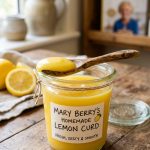
Can I use lemon curd on a pavlova instead of whipped cream? Yes — a layer of lemon curd spread over the meringue base before the whipped cream is absolutely wonderful. The sharp citrus cuts through the sweetness of the meringue beautifully. Spread a thin layer of lemon curd directly onto the meringue, then pile the cream on top.
What fruit works best on a pavlova? Any fresh, brightly flavoured fruit works beautifully. Summer: strawberries, raspberries, blueberries, passion fruit, peaches. Autumn: figs, blackberries, pomegranate seeds. Winter: clementine segments, pomegranate, kiwi. The rule is simply that the fruit should be fresh, ripe, and vivid in flavour.













Leave a Reply