
 Anna Louise
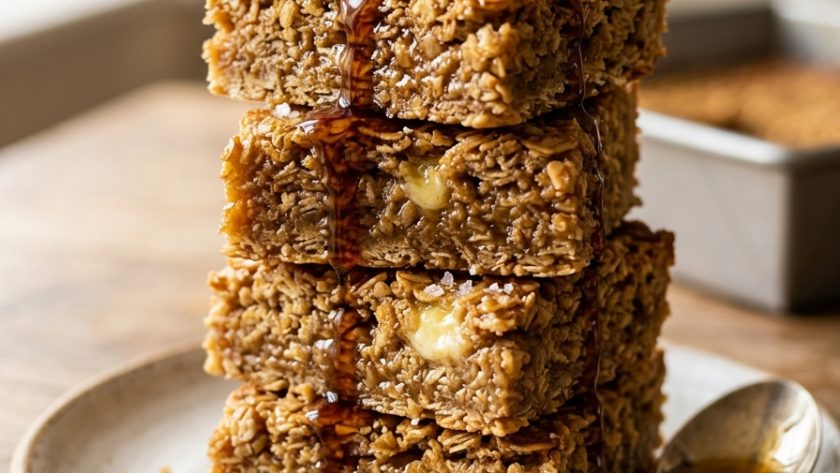
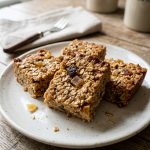
 There are very few bakes that deliver as much satisfaction for as little effort as a good flapjack. One pan on the hob, four ingredients, thirty minutes from start to finish. The result — when you get it right — is a golden, chewy, deeply buttery traybake that is one of the most universally loved things to come out of a British kitchen.
Mary Berry’s flapjacks are the version I make more than any other. The ratio of butter, golden syrup, and sugar to oats is precisely right — generous enough to give you that characteristic chewiness and caramelised flavour, not so much that the flapjack is greasy or falls apart.
The oats are properly toasted in the oven, giving a golden, slightly nutty depth that distinguishes a great flapjack from a mediocre one.
These are the traybakes I make for lunchboxes, for bake sales, for long walks, for any occasion where you need something that travels well, keeps well, and makes everyone happy.
The Secret to the Perfect Flapjack Texture
Flapjack texture is the thing people argue about most — chewy versus crisp — and the answer comes down almost entirely to two variables: the ratio of syrup to oats, and the baking time.
More golden syrup and a shorter baking time gives you a chewier flapjack. The syrup keeps the oats moist and slightly sticky. Pulling them from the oven while the centre still looks slightly underdone means they firm up to a chewy, yielding consistency as they cool.
Less golden syrup and a longer baking time gives you a crispier flapjack. The oats dry out more in the oven and the whole thing sets firmer.
Mary Berry’s recipe sits firmly in the chewy camp — which is where I believe the best flapjacks live. If you prefer yours on the crispier side, simply bake for five minutes longer.
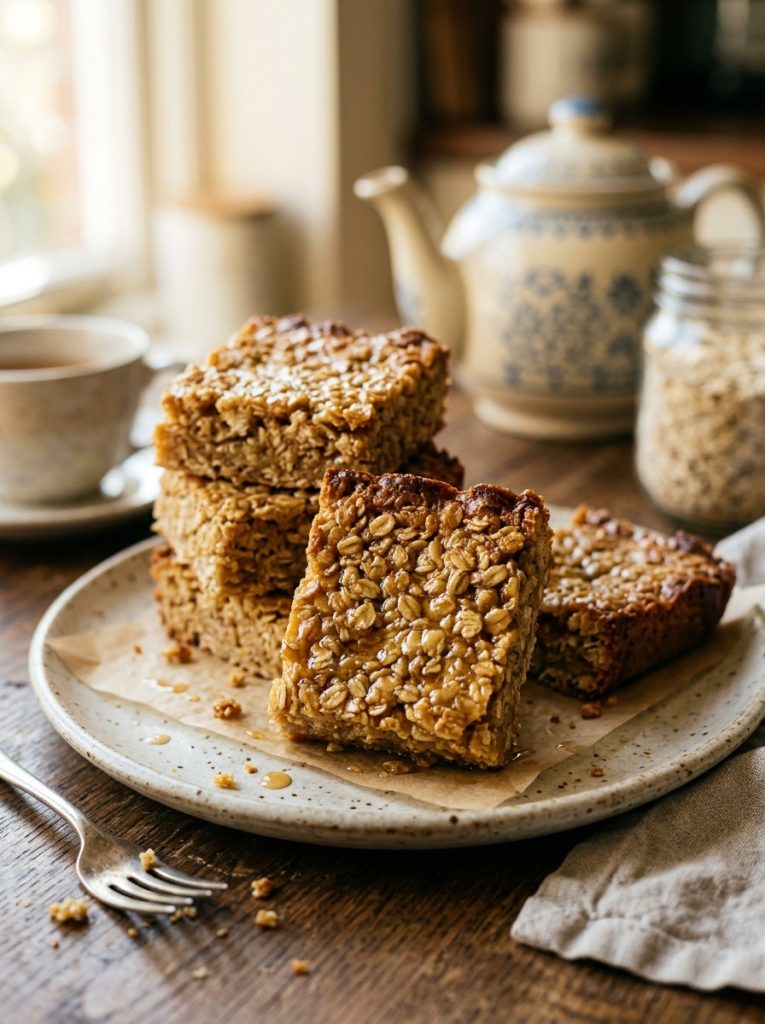
Ingredients for Mary Berry Flapjacks
- 250g unsalted butter
- 175g soft light brown sugar
- 4 tbsp golden syrup
- 350g rolled oats (proper rolled oats — not instant)
- ½ tsp fine sea salt
- 1 tsp vanilla extract
Optional Additions (All Wonderful)
- 100g dark chocolate chips, stirred through the mixture before baking
- 50g desiccated coconut, replacing 50g of the oats
- 75g dried cranberries or raisins, stirred through before baking
- 50g mixed seeds — pumpkin, sunflower, sesame
How to Make Mary Berry Flapjacks — Step by Step
Step 1 — Preheat and Prepare
Preheat your oven to 180°C / 160°C fan / Gas 4. Grease a 30x20cm rectangular baking tin and line with baking parchment, leaving overhang at the sides for easy removal.
Step 2 — Melt the Butter, Sugar and Syrup
Place the butter, soft light brown sugar, and golden syrup into a large heavy-based saucepan over a low to medium heat. Stir occasionally until the butter has melted completely and the sugar has dissolved. Do not let the mixture boil — you want everything melted and combined, not starting to caramelise at this stage.
Remove from the heat and add the salt and vanilla extract. Stir to combine.
Step 3 — Add the Oats
Tip all the rolled oats into the saucepan and stir thoroughly until every oat is coated in the butter and syrup mixture. Take your time with this — any oats that are not properly coated will dry out in the oven and give you an uneven texture. If adding any extras such as dried fruit or seeds, fold them in now.
Step 4 — Press Into the Tin
Tip the oat mixture into the prepared tin and spread out evenly. Now press it down firmly — this is the most important step for a flapjack that holds together when cut. Use the back of a metal spoon or the base of a flat glass to press the mixture down as firmly and evenly as you can. Press the edges particularly well — they tend to crumble if not compacted properly.
Step 5 — Bake
Bake on the middle shelf for 20 to 25 minutes. For a chewy flapjack, take it out at 20 minutes when the edges are golden brown and the centre still looks slightly pale and underdone. For a crispier result, leave it for the full 25 minutes until golden all over.
Do not be alarmed by how soft and almost liquid the flapjack looks when it comes out of the oven — this is correct. It sets as it cools. If you wait until it looks set in the oven, it will be overdone.
Step 6 — Mark and Cool
As soon as the flapjack comes out of the oven, use a sharp knife to score it into bars or squares — cut all the way through while it is still hot and soft. This is much easier than trying to cut through a cold, set flapjack and gives you much cleaner edges.
Leave to cool completely in the tin — at least one hour — before lifting out using the parchment overhang and separating the pieces along the scored lines.
My Top Tips for Perfect Flapjacks
Press the mixture down very firmly before baking. This is the single most important step for a flapjack that holds together rather than crumbling into pieces when you try to cut it. Press with genuine force — the more compacted the mixture, the better the flapjack holds together.
Score while hot, cut when cold. Score all the way through immediately the flapjack comes out of the oven — the mixture is soft and the knife glides through easily. Then leave to cool completely before separating the pieces. Trying to cut a cold flapjack that has not been pre-scored results in crumbling and jagged edges.
Use proper rolled oats, not instant porridge oats. Instant oats are too fine and become mushy in a flapjack rather than giving you those distinct, slightly chewy oat pieces. Proper rolled oats are essential for both flavour and texture.
Do not let the butter mixture boil on the hob. You are melting, not caramelising. If the mixture boils, the sugar starts to caramelise too early — before it reaches the oven — and the flapjack can become overly sticky and difficult to cut.
Take them out earlier than you think you should. The centre of the flapjack should still look slightly pale and underdone when you take it out. It will firm up to a perfectly chewy consistency as it cools. If it looks done in the oven, it will be overdone and hard once cold.
Use soft light brown sugar rather than caster sugar. The molasses in brown sugar adds depth, a slight caramel flavour, and extra chewiness to the finished flapjack. Caster sugar works but produces a flatter, less interesting flavour.
Serving Suggestions
Cut into bars and eaten at room temperature — this is all a flapjack needs. Packed into a lunchbox. Taken on a walk. Served at a bake sale. A cup of tea alongside is the only accompaniment worth mentioning.
How to Store Mary Berry Flapjacks
At room temperature: Store in an airtight container for up to 5 days. They actually improve slightly after a day as the texture evens out and the flavours deepen.
In the freezer: Freeze in an airtight container, pieces separated by baking parchment, for up to 3 months. Defrost at room temperature for an hour.
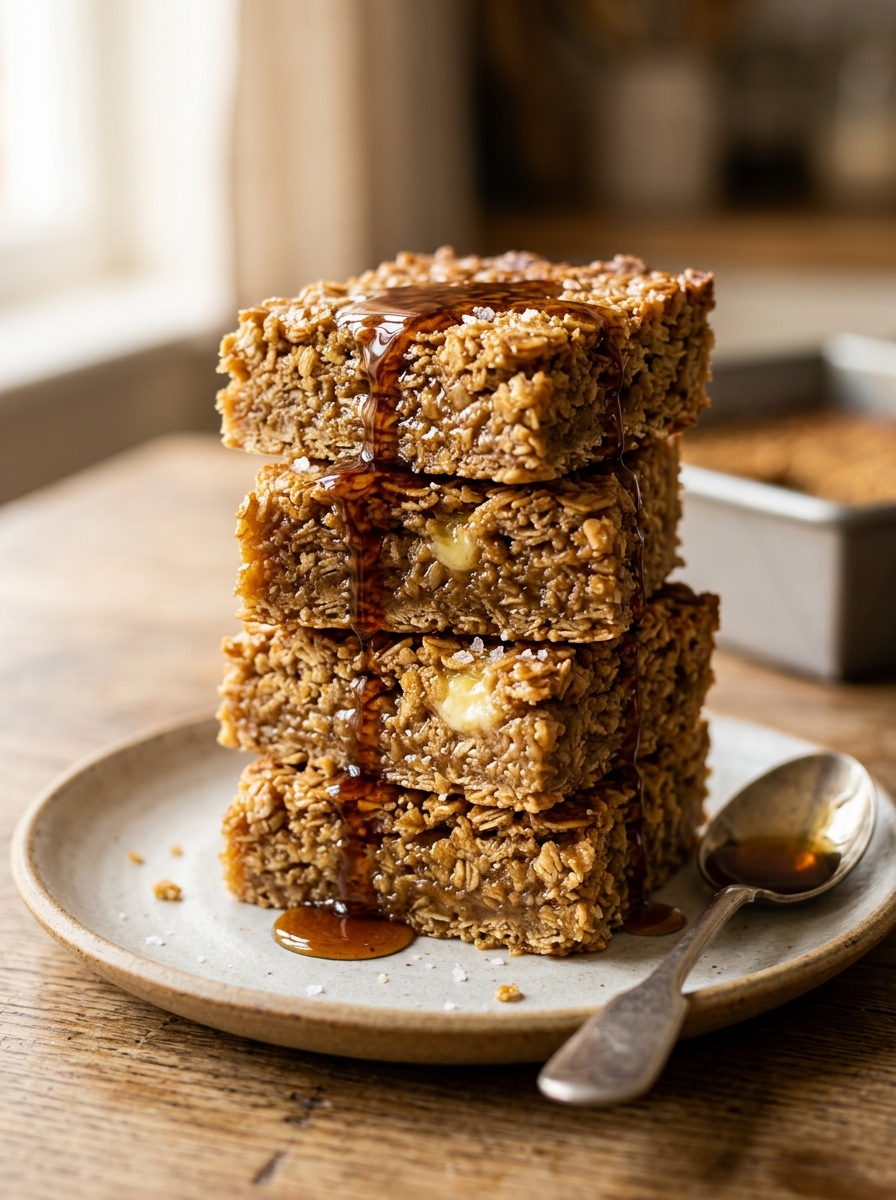
Mary Berry Flapjacks
Ingredients
Method
- Preheat oven to 180°C / 160°C fan / Gas 4. Grease and line a 30x20cm tin with baking parchment.
- Melt butter, brown sugar, and golden syrup in a large saucepan over a low to medium heat, stirring until completely combined. Do not boil. Remove from heat. Add salt and vanilla.
- Add rolled oats and stir thoroughly until every oat is evenly coated.
- Tip into prepared tin. Press down very firmly and evenly with the back of a metal spoon or flat glass. Press the edges particularly well.
- Bake for 20–25 minutes until the edges are golden and the centre looks slightly underdone.
- Score into 16 bars immediately with a sharp knife while still hot. Cool completely in the tin — at least 1 hour — before separating along scored lines.
Notes
Frequently Asked Questions About Mary Berry Flapjacks
Why are my flapjacks crumbling and falling apart?
The mixture was not pressed down firmly enough before baking, or the flapjack was cut before it had cooled completely. Press the mixture down very firmly into the tin, score while hot, and leave to cool fully before separating. Both steps are essential for flapjacks that hold together cleanly.
Why are my flapjacks too hard?
They were overbaked. Remember — the centre should look slightly underdone when you take them out. They firm up significantly as they cool. Next time, reduce the baking time by three to five minutes.
Can I make flapjacks without golden syrup?
Golden syrup is central to the flavour and texture of a flapjack — it is what gives them their characteristic chewiness and caramelised sweetness. Maple syrup or honey can be substituted but both give a different flavour and a slightly different texture. If you must substitute, use the same quantity.
Can I add chocolate to flapjacks?
Yes — two ways. Stir 100g of dark chocolate chips through the oat mixture before pressing into the tin. Or melt 150g of dark chocolate and spread over the top of the completely cooled flapjack, leave to set, then cut. Both are excellent.
Why are my flapjacks too greasy?
Too much butter, or the mixture was not stirred thoroughly enough before going into the tin. Make sure every oat is evenly coated — if some oats are uncoated and others are drowning in butter, the result will be uneven. Also check your measurements — excess butter has nowhere to go in the oven except to pool beneath the oats.
Can I make flapjacks gluten-free?
Yes — use certified gluten-free rolled oats. All other ingredients in this recipe are naturally gluten-free. The result is indistinguishable from the standard version.


Leave a Reply