
 Anna Louise
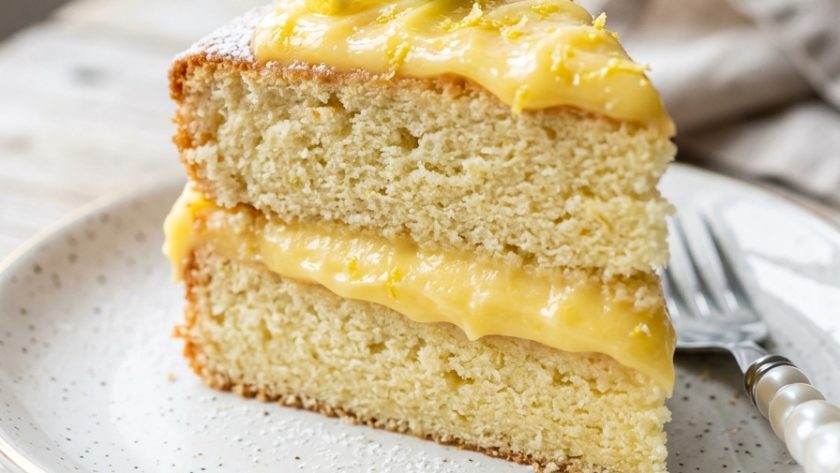
 If you love lemon — and I very much do — then this is the cake for you. Not a cake that whispers of lemon. Not a cake where the citrus is a background note you occasionally catch. This is a cake that commits to lemon completely and delivers it in abundance, in the most wonderful possible way.
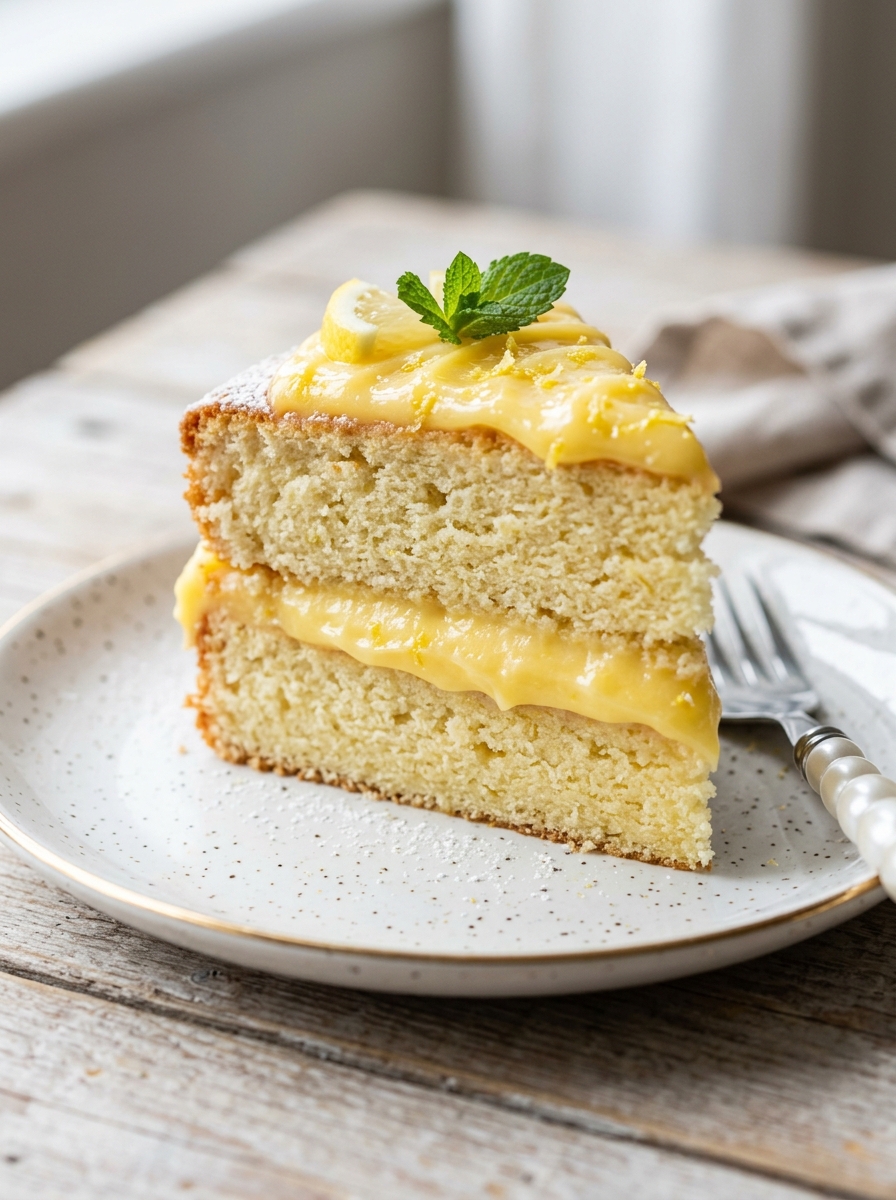
Mary Berry’s lemon curd cake is built on three layers of lemon flavour working together in perfect harmony. The sponge itself is fragrant with lemon zest and fresh lemon juice — light, tender, and beautifully bright.
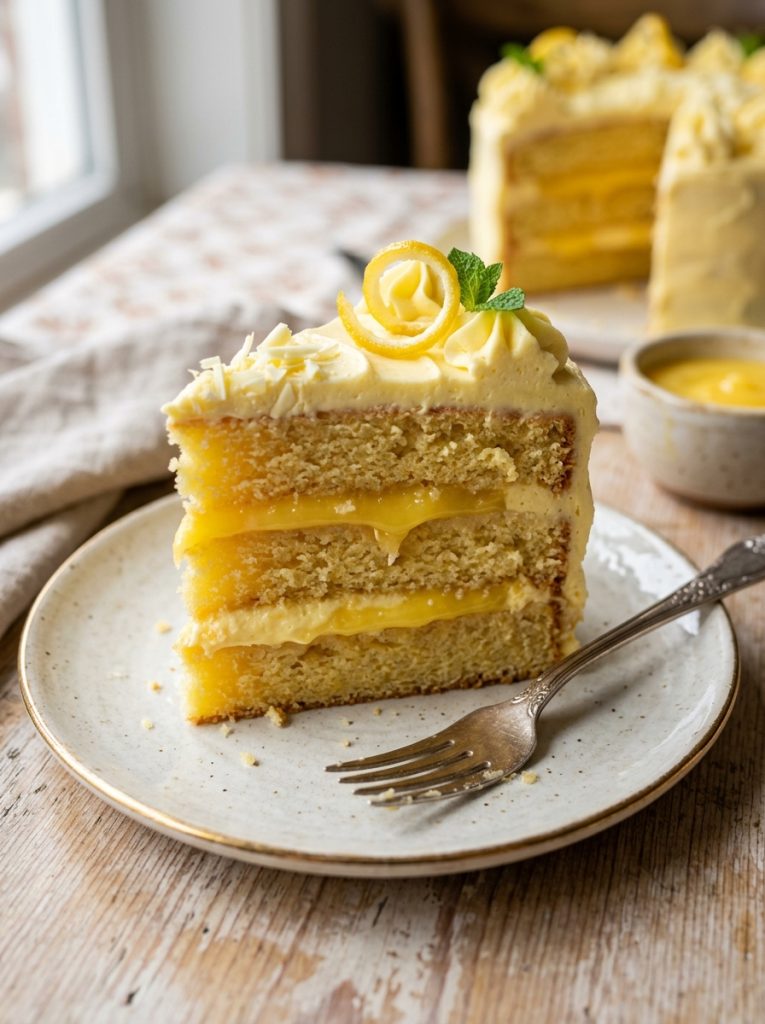
Between the layers, a generous spread of lemon curd — sharp, glossy, and intensely flavoured — gives you a hit of pure citrus that is genuinely thrilling. And the lemon buttercream that covers the whole thing brings everything together with a smooth, creamy sweetness that balances the sharpness of the curd perfectly.
It is a cake that tastes like sunshine. It is the cake I make at the first suggestion of spring, and it makes whoever I make it for genuinely happy every single time.
If you have been searching for the perfect Mary Berry lemon curd cake recipe, this is exactly what you need.
What Makes This Lemon Curd Cake So Special?
The lemon curd. That is the honest answer.
Buttercream alone between the layers of a lemon cake gives you something pleasant. Lemon curd alone gives you something sharp and slightly overwhelming. Together — lemon curd spread generously on the sponge, topped with a layer of lemon buttercream — they create something that is greater than the sum of its parts. The curd provides intensity and sharpness; the buttercream provides sweetness and creaminess. Every bite has both.
The other thing that sets this cake apart is making the lemon curd from scratch. Shop-bought lemon curd is perfectly acceptable and will give you a good result — but homemade lemon curd is a completely different thing.
It takes about fifteen minutes, uses just four ingredients, and tastes so fresh and vivid and alive compared to the jarred version that once you have made it you will find it very difficult to go back. I always make the lemon curd the day before and keep it in the fridge until I need it — it gives it time to set properly and the flavour deepens beautifully overnight.
Ingredients for Mary Berry Lemon Curd Cake
For the Homemade Lemon Curd (Make the Day Before if Possible)
- 3 large unwaxed lemons — zest and juice
- 150g caster sugar
- 75g unsalted butter, cut into cubes
- 3 large eggs, beaten and strained through a sieve
For the Lemon Sponge
- 225g unsalted butter, softened
- 225g caster sugar
- 4 large eggs, at room temperature
- 225g self-raising flour, sifted
- 2 tsp baking powder
- Finely grated zest of 2 large unwaxed lemons
- 2 tbsp fresh lemon juice
- 1 tsp vanilla extract
- 2 tbsp whole milk
For the Lemon Buttercream
- 200g unsalted butter, softened
- 400g icing sugar, sifted
- Finely grated zest of 1 large unwaxed lemon
- 3–4 tbsp fresh lemon juice
- 1 tsp vanilla extract
- Yellow gel food colouring (optional — just a tiny amount)
To Decorate
- 3–4 tbsp of the homemade lemon curd (for drizzling over the top)
- Thin slices of lemon or candied lemon peel
- Fresh edible flowers (optional — primroses or pansies are beautiful in spring)
- A light dusting of icing sugar
How to Make Mary Berry Lemon Curd Cake — Step by Step
Step 1 — Make the Lemon Curd (Ideally the Day Before)
Place the lemon zest, lemon juice, caster sugar, and butter cubes into a heatproof bowl set over a pan of barely simmering water. Stir occasionally until the butter has melted and the sugar has dissolved.
Add the strained beaten eggs and stir constantly with a wooden spoon or silicone spatula — do not stop stirring. The curd will gradually thicken over 10 to 15 minutes. It is ready when it coats the back of a spoon thickly and holds a clear line when you draw your finger across it.
Remove from the heat and pour into a clean jar or bowl. Press a piece of cling film directly onto the surface of the curd — this prevents a skin forming. Leave to cool completely, then refrigerate. The curd will thicken further as it cools.
This makes slightly more lemon curd than you need for the cake — the extra is wonderful on toast, scones, or stirred into yoghurt. It keeps in the fridge for up to 2 weeks.
Step 2 — Preheat and Prepare
When you are ready to make the cake, preheat your oven to 180°C / 160°C fan / Gas 4. Grease two 20cm round sandwich tins and line the bases and sides with baking parchment.
Step 3 — Make the Lemon Sponge Batter
Place the softened butter, caster sugar, eggs, sifted flour, baking powder, lemon zest, lemon juice, and vanilla extract into a large mixing bowl. Beat everything together with an electric hand whisk for two to three minutes until smooth, pale, and well combined. Add the milk and beat briefly to incorporate.
The batter will be a beautiful pale yellow, fragrant with lemon, and it should drop off a spoon with a slight reluctance — not pourable, but not stiff.
Step 4 — Bake
Divide the batter equally between the two prepared tins. Smooth the tops and bake on the middle shelf for 22 to 26 minutes until golden, well risen, and a skewer inserted into the centre comes out clean.
Leave to cool in the tins for 10 minutes, then turn out onto a wire rack and cool completely before assembling.
Step 5 — Make the Lemon Buttercream
Beat the softened butter alone for three to four minutes until very pale and fluffy — this step makes an enormous difference to the texture of the finished buttercream. Add the sifted icing sugar in two batches, beating well after each.
Add the lemon zest, two tablespoons of lemon juice, and vanilla extract. Beat until smooth and spreadable. Add more lemon juice a tablespoon at a time if the buttercream is too stiff — but add it slowly, as too much liquid will make it too loose.
If you would like the buttercream to be a beautiful pale yellow, add the tiniest amount of yellow gel food colouring — the tip of a cocktail stick is enough — and beat until evenly coloured.
Step 6 — Assemble the Cake
Place one completely cooled sponge on your serving plate or cake stand. Spread a generous, even layer of lemon buttercream over the surface. Then spoon three to four tablespoons of the homemade lemon curd over the buttercream — spread it gently so it sits on top of and slightly into the buttercream rather than mixing with it completely. The combination of buttercream and curd between the layers is what makes this cake so spectacular.
Place the second sponge on top and press down very gently.
Spread the remaining lemon buttercream over the top of the cake. Use a palette knife to smooth it or create relaxed swirls.
Step 7 — Decorate
Drizzle a few teaspoons of lemon curd over the top of the buttercream — it will pool slightly in the swirls and look absolutely beautiful. Arrange thin slices of lemon or candied lemon peel around the top. Add edible flowers if using — primroses, pansies, and violas all look stunning on a lemon cake. Finish with a light dusting of icing sugar.
My Top Tips for the Perfect Mary Berry Lemon Curd Cake
Make the lemon curd from scratch if you possibly can. I know shop-bought is convenient and I am not going to pretend it produces a terrible result — it does not. But homemade lemon curd has a brightness and freshness that the jarred version simply cannot match. It takes fifteen minutes and four ingredients and it will make your cake extraordinary rather than merely very good. Make it the evening before so it has time to set and develop its flavour overnight.
Strain your eggs before adding them to the lemon curd. Pass the beaten eggs through a fine sieve before they go into the curd. This removes the chalazae — the white rope-like strands attached to the yolk — which can leave white stringy bits in the finished curd if not removed. Strained eggs give you a perfectly smooth, silky curd every time.
Stir the lemon curd constantly. The moment you stop stirring, the eggs at the bottom of the bowl begin to scramble. Keep the heat low, keep stirring, and be patient — the curd thickens gradually and then quite suddenly. The moment it coats the back of a spoon, take it off the heat.
Do not mix the lemon curd and buttercream together between the layers. Spread the buttercream first, then add the curd on top of it. The two elements sitting alongside and slightly into each other — rather than completely mixed — means every bite has both flavours distinctly rather than just one muddled one.
Use gel food colouring rather than liquid if you want a yellow buttercream. Liquid food colouring adds water to the buttercream, which can make it slightly looser. Gel colouring is far more concentrated and a tiny amount gives you a beautiful colour without affecting the consistency at all.
Edible flowers on a lemon cake are not just decoration — they signal the flavour. A lemon curd cake with primroses or pansies on top immediately communicates something about its character — bright, fresh, celebratory, and quintessentially British. It is one of those rare occasions where the decoration adds to the story of the cake rather than just sitting on top of it.
Serving Suggestions
This cake is at its finest for a spring celebration — Easter Sunday, a birthday, Mother’s Day, or a spring afternoon tea. It looks stunning and tastes even better.
Serve at room temperature with a pot of good Earl Grey tea alongside — the bergamot in Earl Grey is a beautiful companion to lemon. For something more indulgent, a spoonful of clotted cream on the side turns a slice into a genuinely special treat.
How to Store Mary Berry Lemon Curd Cake
In the fridge: Because of the lemon curd filling, store in an airtight container in the fridge for up to 4 days. Always bring to room temperature for at least 30 minutes before serving — cold buttercream is not at its best straight from the fridge.
At room temperature: Fine for up to 2 hours in a cool kitchen. The lemon curd filling means it should be refrigerated for longer storage.
In the freezer: Freeze the unfrosted sponge layers for up to 3 months, wrapped tightly in cling film and foil. Make the lemon curd and buttercream fresh when ready to assemble. Do not freeze the assembled cake.
Try These Recipes
- Mary Berry Devonshire Apple Cake
- Mary Berry White Chocolate And Raspberry Cake
- Mary Berry Vegan Chocolate Cake
- Mary Berry Lemon Drizzle Cupcakes
Mary Berry Lemon Curd Cake
Ingredients
Method
- Make lemon curd: combine lemon zest, juice, sugar, and butter in a heatproof bowl over barely simmering water. Stir until butter melts and sugar dissolves. Add strained beaten eggs and stir constantly for 10–15 minutes until thickened and coats the back of a spoon. Pour into a jar, press cling film onto the surface, cool, then refrigerate.
- Preheat oven to 180°C / 160°C fan / Gas 4. Grease and line two 20cm sandwich tins.
- Beat butter, sugar, eggs, flour, baking powder, lemon zest, lemon juice, and vanilla together for 2–3 minutes until smooth and pale. Add milk and beat briefly.
- Divide between tins. Bake 22–26 minutes until golden and a skewer comes out clean. Cool completely on a wire rack.
- Beat butter alone 3–4 minutes until very pale. Add icing sugar in two batches. Add lemon zest, juice, and vanilla. Beat until smooth. Add food colouring if using.
- Place one sponge on serving plate. Spread with lemon buttercream then spoon lemon curd on top. Place second sponge on top. Spread remaining buttercream over the top.
- Drizzle lemon curd over the top. Decorate with lemon slices, edible flowers, and a dusting of icing sugar.
Notes
Frequently Asked Questions About Mary Berry Lemon Curd Cake
Can I use shop-bought lemon curd instead of homemade?
Yes — a good quality shop-bought lemon curd works well and is a perfectly reasonable shortcut. Look for one that lists butter and eggs as main ingredients rather than vegetable fat and starch — the better quality versions taste significantly more like homemade. Tiptree and Bonne Maman both make very decent lemon curds that I would happily use if I were short on time.
My lemon curd has scrambled bits in it — what went wrong?
The heat was too high or you stopped stirring. Always cook lemon curd over barely simmering water — not boiling — and stir constantly. If you notice it starting to look grainy, take it off the heat immediately and strain it through a fine sieve. Caught early enough, this can rescue a scrambled curd.
Can I use the lemon curd between the layers without any buttercream?
You can, but without the buttercream the filling will be very sharp and quite wet, which can make the sponge soggy over time. The buttercream acts as a barrier as well as a flavour component — it keeps the curd from soaking straight into the sponge and balances its sharpness. Both together is definitely the way to go.
Can I make this cake gluten-free?
Yes — substitute the self-raising flour with a good gluten-free self-raising flour blend. The texture will be very slightly different but the flavour will be just as wonderful. Make sure all other ingredients are certified gluten-free.
Can I add fresh raspberries to a lemon curd cake?
Yes — a handful of fresh raspberries scattered over the lemon curd between the layers adds a beautiful colour and a lovely fruity sharpness. Lemon and raspberry is a wonderful combination. You could also add raspberries to the decoration on top alongside the lemon slices.
How far in advance can I make the lemon curd?
The lemon curd keeps in a sterilised jar in the fridge for up to 2 weeks. You can make it well in advance — in fact, it benefits from being made at least the day before to give it time to set properly and develop its flavour.















Leave a Reply