
 Anna Louise
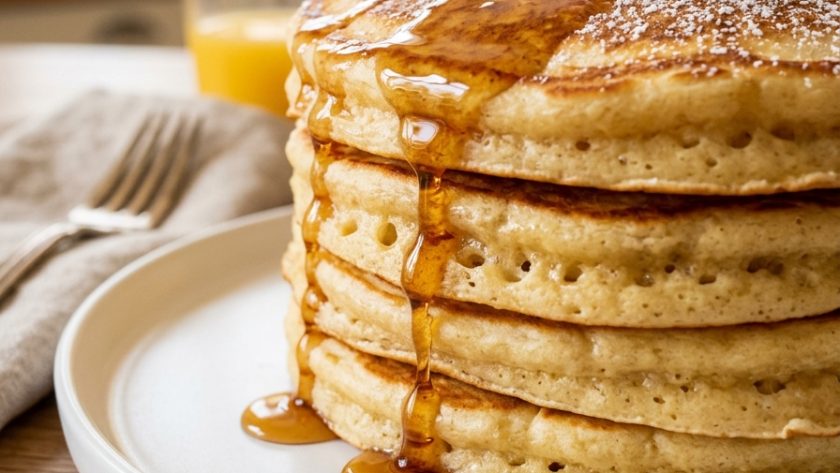
 There are two schools of pancake in Britain — the thin, lacy crepe-style pancake that appears on Shrove Tuesday and the thicker, fluffier American-style stack — and they are both wonderful in completely different ways.
Mary Berry’s pancake recipe belongs firmly to the British tradition — thin, golden, slightly lacy at the edges, with a tender, flexible texture that rolls and folds beautifully around whatever filling you choose.
These are the pancakes I grew up making, the ones my mother made every Shrove Tuesday without fail, and the ones I still make now — not just once a year but whenever I want something that takes twenty minutes and makes everyone at the table genuinely happy.
The batter is simple — flour, eggs, milk, and a pinch of salt — but the technique is everything. Understanding how to get the pan to the right temperature, how to pour the batter thinly and evenly, and knowing when to flip — these are the things that take a pancake from adequate to genuinely good. This recipe covers all of it.
If you have been searching for the perfect Mary Berry pancake recipe, this is exactly what you need.
The Difference Between a Good Pancake and a Great One
Resting the batter. Thirty minutes of resting after mixing allows the gluten in the flour to relax and the flour to fully hydrate. The result is a noticeably smoother, more even batter that produces a more tender pancake with better lacy edges. It is the step most people skip and the one that makes the most difference.
The right pan temperature. A pan that is not hot enough produces pale, thick pancakes that stick. A pan that is too hot produces burnt pancakes with raw centres. Medium-high heat, with the pan properly preheated for at least two minutes before the first pancake, is the sweet spot.
The first pancake is always a test. Every experienced pancake maker knows this. The first one — used to gauge temperature and calibrate the amount of batter — almost never comes out perfectly. Do not be discouraged. Eat it standing at the hob, adjust the heat if needed, and the rest will be excellent.
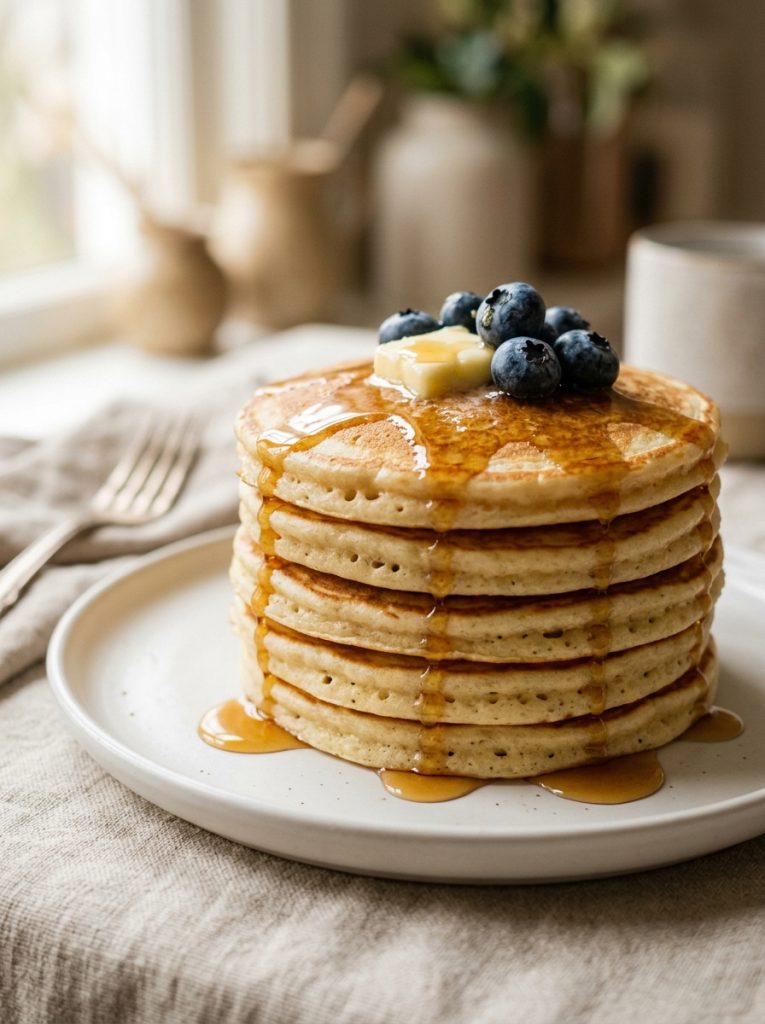
Ingredients for Mary Berry Pancakes
For the Pancake Batter
- 125g plain flour, sifted
- Pinch of fine salt
- 2 large eggs
- 300ml whole milk (or half milk and half water for lighter, lacier pancakes)
- 25g unsalted butter, melted, plus extra for cooking
To Serve — Classic British Style
- Fresh lemon juice and caster sugar — the traditional and perfect combination
- Good quality raspberry or strawberry jam
- Golden syrup
- Nutella and sliced banana
- Whipped cream and fresh berries
How to Make Mary Berry Pancakes — Step by Step
Step 1 — Make the Batter
Sift the plain flour and salt into a large mixing bowl. Make a well in the centre. Crack the eggs into the well and add roughly half the milk.
Whisk from the centre outwards, gradually incorporating the flour from the edges as you go — this gradual incorporation prevents lumps from forming. Continue whisking until you have a smooth, thick batter with no lumps.
Add the remaining milk and the melted butter. Whisk until completely smooth and combined — the consistency should be similar to single cream, flowing easily off the whisk but not watery.
Step 2 — Rest the Batter
Cover the bowl with cling film and leave to rest at room temperature for at least 30 minutes. If you have more time, the batter can rest in the fridge for up to 24 hours. After resting, give it a brief stir — it may have thickened slightly. If it looks thicker than single cream, add a splash of milk and stir to loosen.
Step 3 — Prepare the Pan
Place a 20cm non-stick frying pan over a medium-high heat for at least two minutes until properly hot. Add a very small knob of butter — just enough to coat the base thinly — and swirl to coat. The butter should foam and begin to subside immediately, indicating the pan is at the right temperature. If it burns instantly, the pan is too hot; reduce the heat slightly and wait a minute.
Step 4 — Cook the Pancakes
Pour approximately 3 to 4 tablespoons of batter into the centre of the hot pan. Immediately tilt and swirl the pan so the batter runs quickly and evenly across the entire base in a thin, even layer. You want to work quickly — the batter begins setting immediately.
Cook for 1 to 1.5 minutes until the edges look dry and lacy and the underside is golden brown — you can check by lifting one edge gently with a palette knife.
To flip: either use a palette knife to flip confidently in one motion, or if you are feeling brave, toss the pancake by flicking the pan upwards with your wrist. Cook the second side for 30 to 45 seconds until golden in patches.
Slide onto a warm plate. Add a very small knob of butter to the pan before each subsequent pancake.
Step 5 — Keep Warm and Serve
Stack the cooked pancakes on a warm plate covered with a clean tea towel — they will stay warm and flexible for up to 15 to 20 minutes this way. Serve with lemon and sugar, or your chosen accompaniments.
This recipe makes approximately 8 to 10 pancakes.
My Top Tips for Perfect Pancakes
Rest the batter — always. Thirty minutes minimum. The difference between a rested and an unrested batter is immediately noticeable in the texture and lacy quality of the finished pancake. If you are making these for breakfast, mix the batter the night before and refrigerate overnight.
Use a proper non-stick pan. A good quality non-stick frying pan of 20cm diameter is the right tool for this recipe. A larger pan makes the batter spread too thin. A pan with poor non-stick properties will cause the pancakes to tear when you try to flip them.
Keep the first pancake as a test. Adjust the heat, the amount of batter, and the speed of swirling based on how the first one turns out. The rest of the batch will benefit from what you learn in those first 90 seconds.
Work quickly when swirling the batter. The moment the batter hits the hot pan it begins to set. Pour into the centre and immediately tilt the pan in a circular motion to spread the batter to the edges before it sets. Speed and confidence are both important here.
Add a little butter before each pancake. Not too much — just enough to lightly coat the surface. Too much butter makes the edges crispy and slightly oily rather than lacy and light.
Use half milk and half water for lacier pancakes. Replacing half the milk with water makes the batter thinner and produces a more delicate, lacier pancake. It is a classic trick worth trying once you have mastered the basic recipe.
Serving Suggestions
Lemon juice squeezed over and a sprinkle of caster sugar — this is the definitive British pancake topping and I would not swap it for anything on Shrove Tuesday. Rolled or folded into quarters.
Stacked with layers of jam and whipped cream for a more indulgent version. Filled with banana and Nutella for something children will love absolutely. Served with fresh berries and a spoonful of Greek yoghurt for a lighter breakfast option.
How to Store Mary Berry Pancakes
The batter: Store in the fridge in an airtight container for up to 24 hours. Stir well and add a splash of milk to loosen before using if it has thickened overnight.
Cooked pancakes: Stack with squares of baking parchment between each one to prevent sticking. Store in an airtight container in the fridge for up to 2 days. Reheat in a dry non-stick pan for 30 seconds per side, or in a microwave for 20 seconds.
In the freezer: Stack with parchment between each pancake, wrap tightly, and freeze for up to 2 months. Reheat from frozen in a dry pan or microwave.
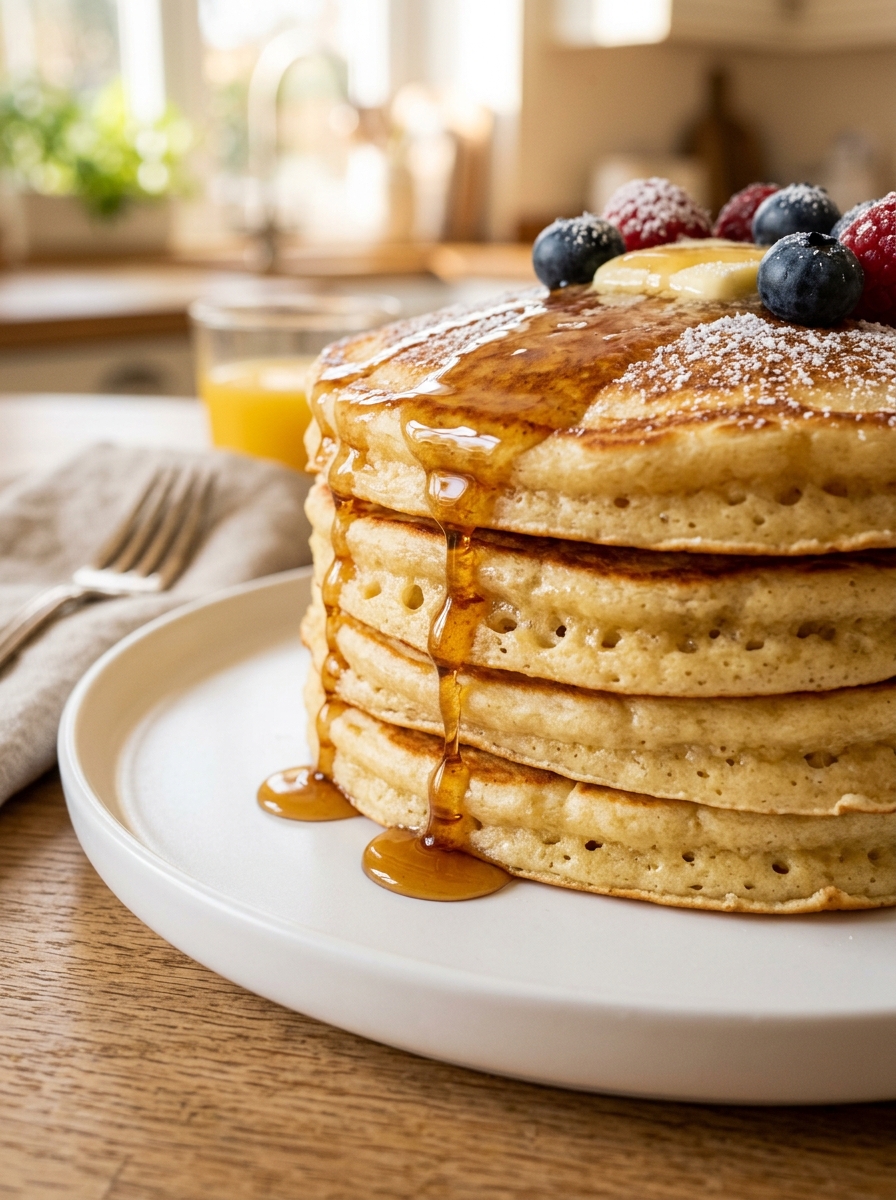
Mary Berry Pancake Recipe
Ingredients
Method
- Sift flour and salt into a large bowl. Make a well in the centre. Add eggs and half the milk. Whisk from the centre outwards, gradually incorporating flour, until smooth.
- Add remaining milk and melted butter. Whisk until smooth and the consistency of single cream.
- Cover and rest for 30 minutes at room temperature (or overnight in the fridge).
- Heat a 20cm non-stick pan over medium-high heat for 2 minutes. Add a small knob of butter and swirl to coat.
- Pour 3–4 tbsp batter into the centre. Immediately tilt and swirl the pan to spread thinly and evenly across the base.
- Cook for 1–1.5 minutes until edges look dry and lacy and the underside is golden. Flip with a palette knife or toss. Cook the second side 30–45 seconds until golden in patches.
- Slide onto a warm plate. Repeat, adding a small knob of butter before each pancake. Keep warm under a clean tea towel.
- Serve with lemon and sugar, or your chosen toppings.
Notes
Frequently Asked Questions About Mary Berry Pancakes
Why are my pancakes sticking to the pan?
Either the pan is not hot enough before you add the batter, or it is not properly non-stick. Make sure the pan is preheated for at least two minutes, add a small knob of butter before each pancake, and use a good quality non-stick pan. A cold or inadequately greased pan is the most common cause of sticking.
Why are my pancakes thick rather than thin?
Too much batter per pancake, or the batter is too thick. Use only 3 to 4 tablespoons per pancake and swirl immediately and quickly to spread thinly. If the batter looks thicker than single cream, add a splash of milk and stir to loosen before continuing.
Can I make pancake batter the night before?
Yes — and it is actually slightly better for it. Mix the batter, cover, and refrigerate overnight. The resting time significantly improves the texture. Stir well and add a splash of milk if needed before cooking.
Why are my pancakes rubbery?
Overmixing the batter develops too much gluten in the flour, making the pancakes tough and rubbery rather than tender. Mix only until the batter is smooth — do not continue whisking once the lumps are gone.
Can I make these pancakes without eggs?
A one-egg version using a flax egg or commercial egg replacer will produce a slightly less rich, more fragile pancake — but it works. The batter will be thinner and the pancakes more likely to tear on flipping, so handle with extra care.
How do I toss a pancake?
Hold the pan handle firmly with your wrist slightly bent. Slide the pancake to the far edge of the pan, then flick the pan quickly upwards and slightly towards you in one confident motion. Catch the pancake on the way down. Confidence is everything — a hesitant toss results in a pancake folded in half. Practice makes perfect.


Leave a Reply